How to get from
Salzburg to Venice
How to get from Salzburg to Venice
Leaving Salzburg and getting on the road
The route from Salzburg to Venice starts without complications. Salzburg is compact, so leaving the city does not take long. Within a short distance, you are already on the motorway heading south, and the trip settles into a steady pace early.
There is no extended urban section that slows you down. Once you pass the initial junctions, the road remains consistent for most of the journey. This matters because the earlier the route stabilizes, the easier it is to keep the rest of the day predictable without unexpected delays. Most travelers use this route as a transfer day between Austria and Italy. It is not a long distance, but the experience depends on whether the journey stays continuous or is broken into multiple segments with waiting in between.
Direct road transfer without changes
A private transfer from Salzburg to Venice keeps the journey in one continuous stretch . You leave from your accommodation and remain in the same vehicle until arrival, without switching between transport modes or adjusting to schedules. The drive usually takes between four and a half and five and a half hours. What matters is that the timing remains stable once you leave. There are no pauses unless you choose to stop, and that removes the uncertainty that often appears with connections.
This becomes especially clear when traveling with luggage. Instead of moving bags between stations or platforms, everything stays in one place from departure to arrival. The effort during the day stays minimal. Short stops can be included without changing the overall structure.
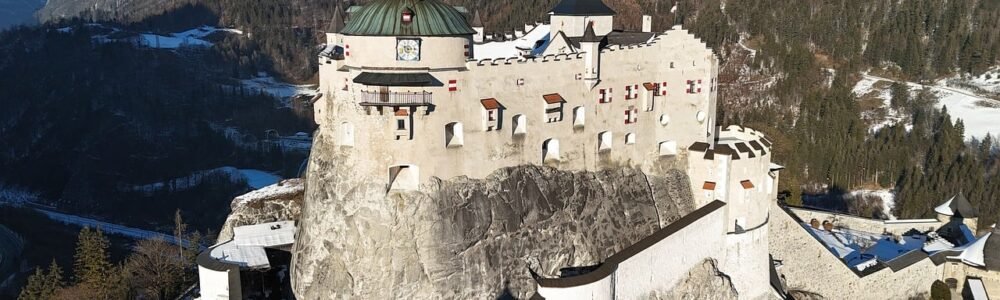
Hohenwerfen Fortress appears shortly after leaving Salzburg, positioned above the Salzach Valley and visible from the main southbound corridor. Because it stands directly along the route toward the Tauern motorway, stopping there does not require a meaningful detour. The setting is elevated and open, so even a short pause gives a clear view of the surrounding valley before continuing south.
Udine sits further along once you are already in northern Italy, and it works as a practical midpoint rather than a sightseeing stop. The city is connected directly to the motorway network, which makes entry and exit simple without navigating smaller roads. This is where many travelers take a longer break, refuel, or reset before the final part of the journey toward the Adriatic side.
Portogruaro comes near the end of the route, before reaching the busier traffic zones around Venice. It is located on the flat terrain of the Veneto region, close to the main motorway corridor leading into the lagoon area. Because of that position, it works as a final short stop where you can pause before entering heavier traffic, without adding time to the overall journey.
These stops are brief and do not extend the journey significantly. They simply divide the drive into smaller segments, which makes the day easier without changing the total duration. This option works best if you want a predictable schedule and no additional steps between departure and arrival. Prices usually range between €699 and €899 per vehicle depending on group size.
Distance, timing and how the trip actually behaves
The distance between Salzburg and Venice is around 470 kilometers depending on the route. In direct conditions, the journey usually takes between four and a half and five and a half hours. That number does not change much during the day. What changes is how much of that time you actually spend moving. If the trip is continuous, the duration stays close to the baseline. If you introduce transfers, the same route can take much longer.
Most of the delay does not come from the road but from waiting. A missed connection or a gap between departures can extend the trip more than traffic ever will on this route. The direction itself is simple. After leaving Salzburg, the road continues south through Austria and then into Italy, with no major changes in structure. Once you are on the main corridor, the rest of the trip follows the same pattern. Morning departures usually work best because they keep more options open and allow arrival in Venice during the afternoon.
Driving the route on your own
Driving from Salzburg to Venice is straightforward and does not require detailed preparation. The motorway network connects the two cities directly, and the route remains consistent from start to finish. Traffic is usually stable, with occasional slowdowns near larger junctions or closer to the Italian side. These do not significantly affect the total duration unless they occur during peak travel periods. Driving time generally stays between four and a half and five and a half hours. Fuel costs typically range between €40 and €70 depending on the vehicle.
Austria requires a motorway vignette, which usually costs around €11 for ten days. Italy uses toll roads, adding approximately €20 to €35 depending on the section of the route. Arrival requires planning because cars cannot enter Venice itself. Parking is done at Piazzale Roma or Tronchetto, after which movement continues on foot or by water transport. Driving works well if you want control over timing or plan to continue traveling through Italy afterward.
Rail connections through the corridor
Train travel is possible but usually involves at least one transfer. Most routes connect through hubs such as Villach or other northern Italian cities before continuing toward Venice. The train journey itself is stable once you are on board. The total duration usually falls between five and seven hours depending on the schedule. Ticket prices typically range between €40 and €90 per person depending on train type and booking time.
The part that affects the experience is the transfer. Moving between trains and waiting for the next departure adds time that is not visible in the distance itself. This option works best for travelers who prefer rail travel and do not mind adjusting their timing to match the schedule.
Bus routes and travel time
Bus travel follows the same general direction but takes longer due to scheduled stops and fixed departure times. The route passes through Austria and into Italy using the same corridor as road travel. Total travel time usually ranges between six and eight hours depending on traffic and the number of stops.
Ticket prices typically fall between €30 and €60 per person. The bus ride itself is simple, but the schedule determines the overall experience. Waiting between departures and slower pace increase total travel time compared to direct road travel. This option works for travelers who prioritize cost and are flexible with timing.
Why flights are not used here
Flights are not practical between Salzburg and Venice. The distance is short enough that air travel does not offer an advantage. When you include check-in, security procedures, boarding, and transfers after landing, the total duration becomes longer than traveling by road or train. For this reason, flying is not used for this route.
Choosing the right option for your timing
Private transfer keeps the journey direct and predictable. Driving allows flexibility and control over stops and departure time. Train travel is comfortable but requires transfers, while bus travel reduces cost but increases the total travel time. For most travelers, direct road travel keeps the day simple and avoids unnecessary waiting between segments.
What to expect on arrival in Venice
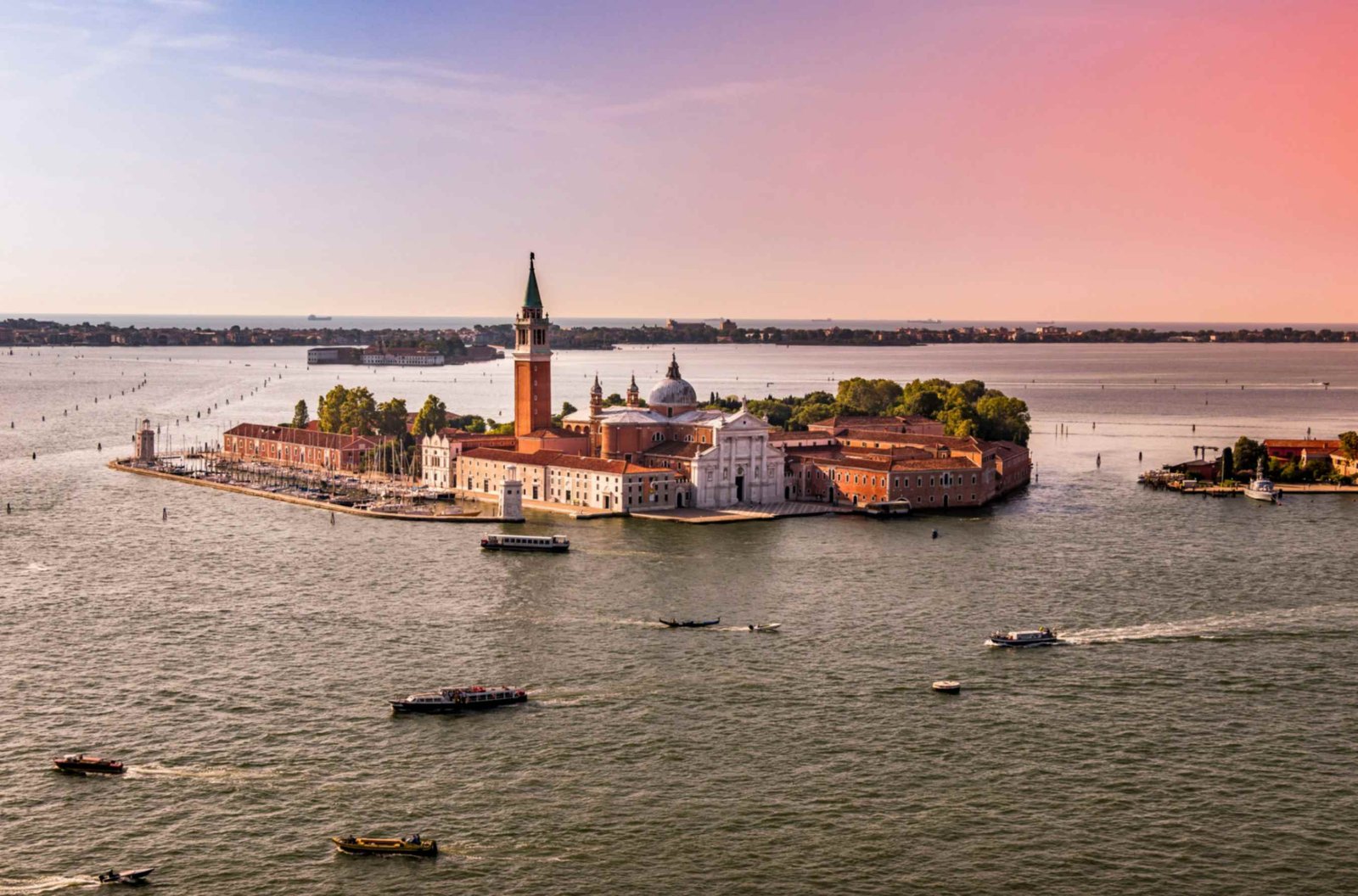
Arrival in Venice works differently than in other cities because vehicles stop outside the historic center. Most routes end at Piazzale Roma or Tronchetto. From there, movement continues on foot or by water transport. The transition is immediate. Roads disappear, canals replace them, and the pace changes. There is no need for complex navigation at the beginning. Walking a short distance is usually enough to understand how the city is structured and where you are.
How many days to plan in Venice
Two nights in Venice are usually enough to visit the main areas and landmarks without rushing. Three nights allow more flexibility and time to explore beyond the busiest parts of the city. Many travelers include nearby islands such as Murano or Burano, which becomes easier with a longer stay. Although the city is compact, movement takes time because everything happens on foot or by water.
Keeping the journey simple from start to finish
This route works best when it remains continuous. The distance is manageable within a single day, but each additional step introduces waiting time that extends the trip. If you travel directly, you reach Venice within a predictable timeframe and still have time left in the day.
If you rely on connections, the same route takes longer without adding distance. The difference comes from how the journey is structured rather than how far you travel. For current visitor information about Venice, check the official tourism website.
How to Get from Salzburg to Venice
The distance from Salzburg to Venice is about 470 km by road, and the drive usually takes around 4 to 5 hours depending on traffic conditions and the selected route.
This connection links Austria with northern Italy and is often used for both leisure and multi-country itineraries. Available options include train routes with transfers, long-distance buses, or a direct private transfer for a door-to-door solution.
- Transfer Venice to Salzburg
- Salzburg to Ljubljana Transfer
- Transfer Salzburg to Bled
- Transfer Salzburg to Trieste
- Salzburg to Ljubljana Airport Transfer
- Transfer Salzburg to Rovinj
How to Get from Salzburg to Venice – Transport Options Breakdown
Train travel usually involves one transfer, often in Villach or another regional hub, and total travel time can vary based on connections. Bus services operate on selected schedules and may take longer due to stops. Driving offers flexibility but travel time can increase during busy periods. A private transfer provides a fixed pickup time, direct drop-off, and standard onboard Wi-Fi.
What to Know Before Traveling from Salzburg to Venice
- Review train and bus schedules early, especially during weekends and holiday periods.
- Allow additional time when approaching Venice due to traffic restrictions and access limitations.
- If arriving by car, plan parking outside the historic center as vehicle access is restricted.
- A private transfer simplifies the trip by avoiding connections and aligning arrival with your schedule.
How to Get from Salzburg to Venice – Travel Smart
Venice requires planning for arrival because vehicles stop outside the historic center, and the final segment is completed by walking or water transport. For official visitor information and updates, visit the official Venice tourism website.
RECENT POSTS
- How to get from Ljubljana to Bled July 20, 2026
- How to get from Bolzano to Bled July 15, 2026
- How to get from Bologna to Ljubljana June 30, 2026