How to get from
Vienna to Venice
How to get from Vienna to Venice
Review of the Route
Traveling from Vienna to Venice connects two of Europe’s most recognizable cities. Vienna, known for imperial palaces and classical music, sits far inland, while Venice rises directly from the water on its lagoon. The straight distance is around 430 kilometers, but the actual travel route is longer due to the Alps and the shape of northern Italy. Depending on the method you choose, the journey takes anywhere from one hour by plane to seven or eight hours by road or rail. The two cities are well connected, so this is a popular link for travelers continuing deeper into Italy or returning north toward Austria and Central Europe.
This article breaks down every realistic way to travel between these two cities. Distances, travel times, costs, seasonal considerations, and connections are included so you can choose the option that fits your schedule and travel style.
Private Transfer
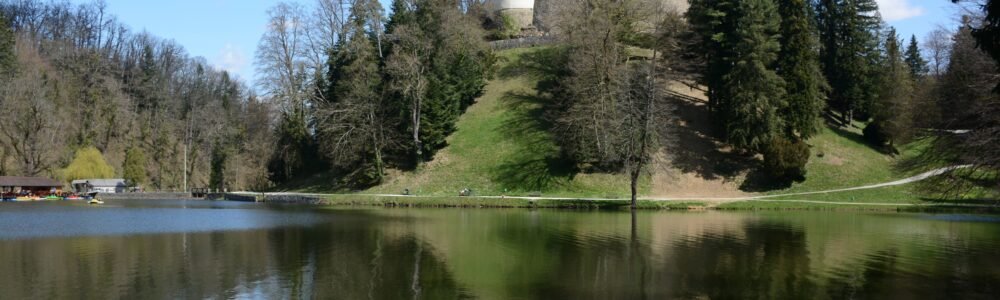
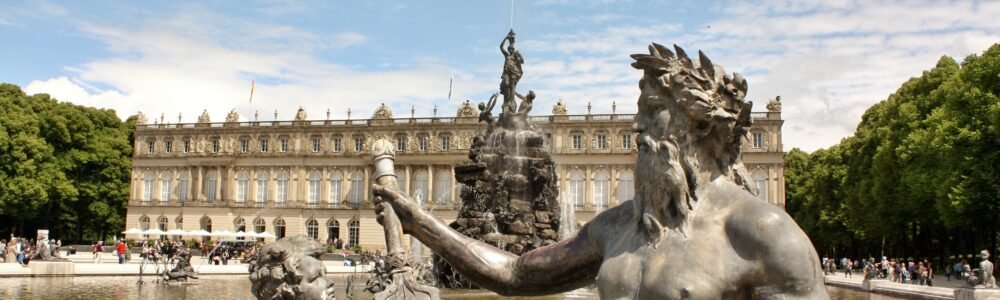
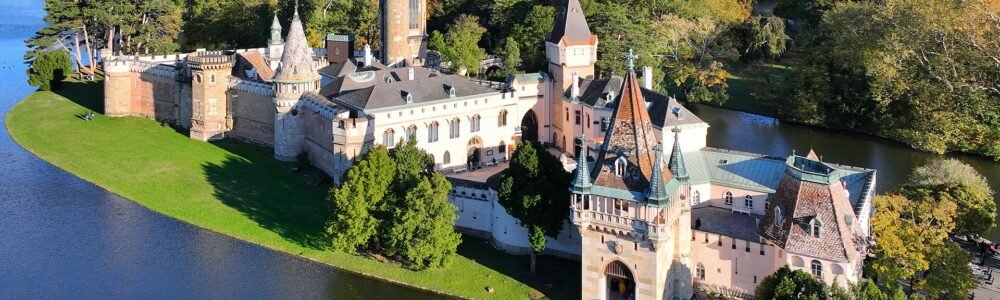
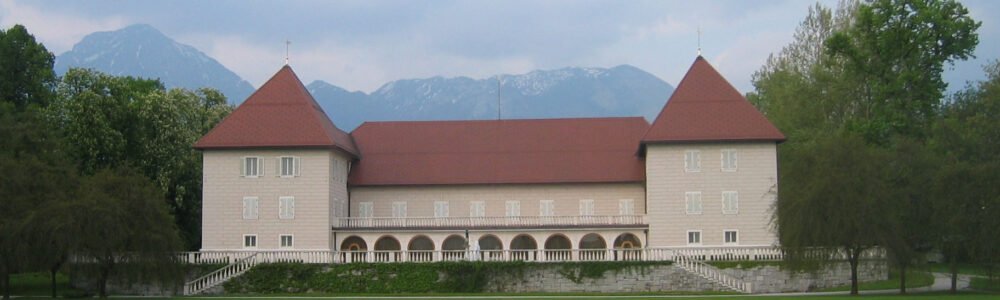
Among all options, a private car transfer offers the most comfortable way to travel from Vienna to Venice. The drive typically lasts between six and seven hours depending on chosen route, roadwork, and season. What sets private transfer apart from public transport is the ability to personalize the trip. Many travelers make short visits on the way, especially at Franzensburg, a lakeside castle inside Laxenburg Park just outside Vienna, which makes for a quiet morning stop before leaving the capital.
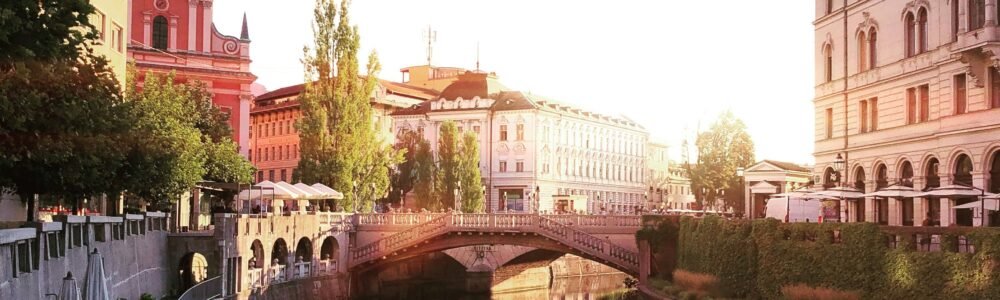
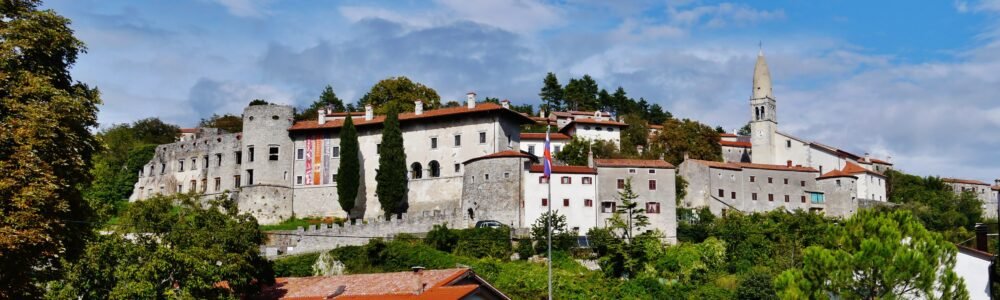
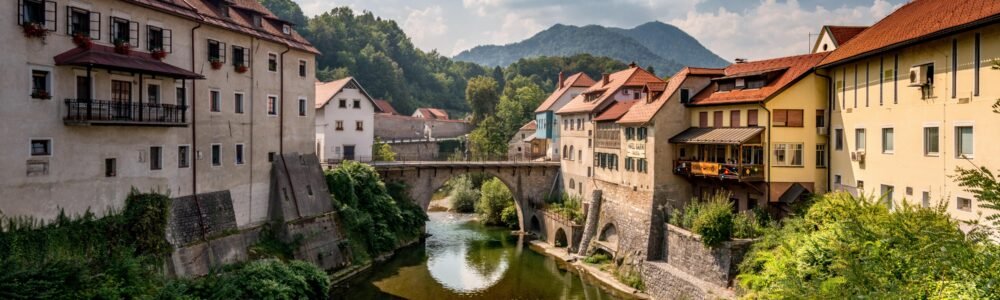
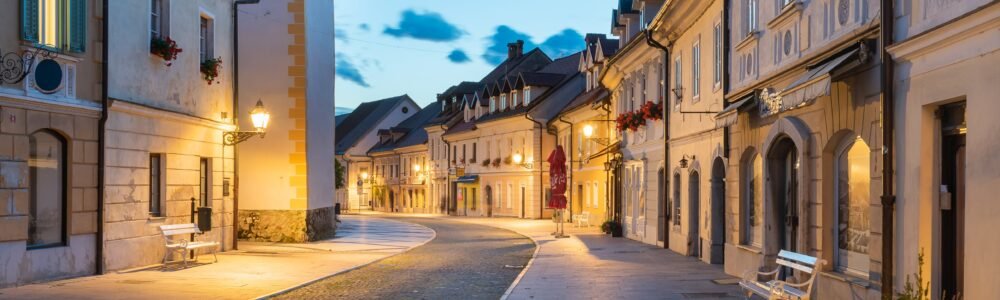
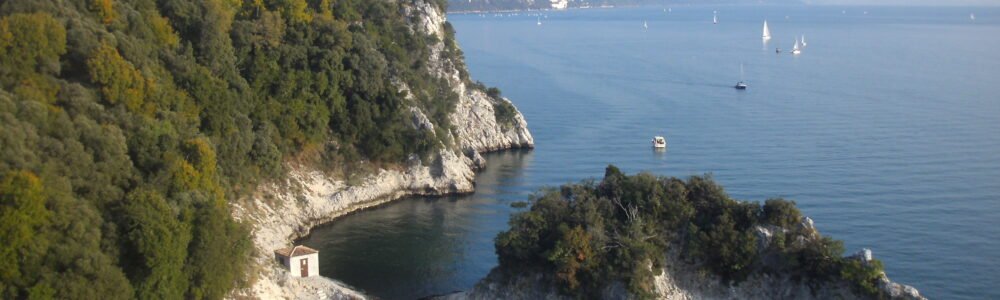
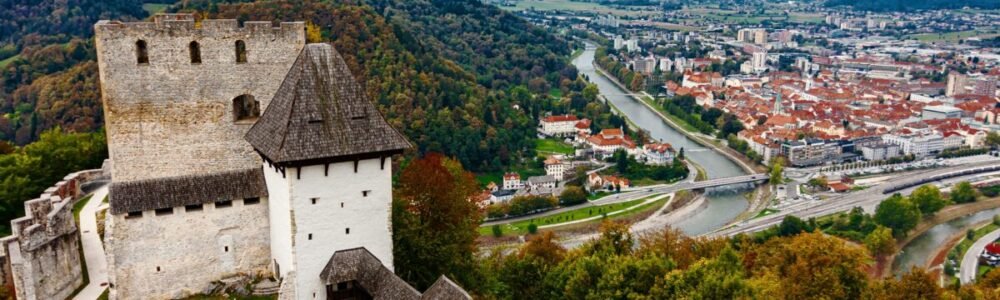
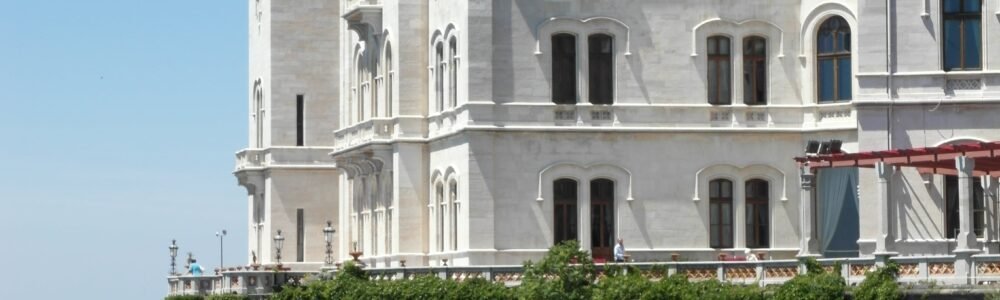
Continuing south, most routes pass near Ljubljana, Slovenia’s compact and walkable capital. It is a convenient lunch break point and a refreshing change of scenery after the long stretch of Austrian motorway. As you enter Italy, a brief visit to Miramare Castle outside Trieste can be added. The estate sits above the Adriatic Sea and offers open views of the coastline, gardens, and quiet walking paths.
A private transfer offers door to door service and avoids navigating multiple stations with luggage. Vehicles are modern, with air conditioning, Wi Fi, and enough space for families or groups. While this option costs more than buses and trains, many travelers choose it for convenience, comfort, and the ability to see places along the way that are not reachable by rail.
Driving Yourself
For travelers confident behind the wheel, driving from Vienna to Venice is straightforward and rewarding. The most common route follows the A2 motorway through Graz and crosses the border into Slovenia before continuing toward Trieste and entering Italy. From there, the highway leads directly to Venice Mestre, the main gateway for road arrivals.
The total driving time is around six hours without stops. Fuel for the route typically costs between 45 and 60 euros depending on the vehicle. Road tolls in Italy vary slightly by stretch but expect to pay around 15 to 20 euros in total. Austria requires a vignette, which can be purchased at gas stations near the border. Slovenia also requires a vignette, available online or at service stations just after crossing the border.
Driving offers the most freedom. You can leave early to avoid traffic around Vienna or Graz, or slow down around the mountains if weather requires caution. Summer weekends can be busy on the route to the Adriatic, while winter conditions may be more demanding near high altitude sections. Parking in Venice is limited to garages on the mainland in Mestre or the large garages at Piazzale Roma. From either point, water transport takes you into the historic areas.
By Train
The train is one of the most popular ways to travel between Vienna and Venice thanks to comfort and scenery. Several daily connections are available, both daytime and overnight. Travel time is generally seven and a half hours for daytime trains. Overnight options can take slightly longer due to fewer high speed segments.
Tickets range from 35 to 80 euros depending on booking time and seat class. Booking in advance usually guarantees better prices. The route passes through alpine valleys, tunnels, and stretches of open countryside, especially on the section between Villach and northern Italy. It is one of the most visually interesting train lines in the region, making it ideal for travelers who prefer to relax while watching the landscape change.
Trains arrive at Venezia Santa Lucia station, which sits directly on the Grand Canal. This makes onward travel to hotels or the islands easy by vaporetto or private boat. For Venice Mestre hotels, some trains stop at Mestre before crossing the bridge to the lagoon.
By Bus
Buses between Vienna and Venice operate every day and offer a budget friendly option. Travel times vary between seven and nine hours depending on operator and number of stops. Most services run overnight or early in the morning.
Tickets start around 25 euros if booked in advance. Modern coaches include air conditioning, Wi Fi, and rest breaks. Although buses take longer than trains, they are useful for travelers who want a low cost direct connection without transfers. Buses usually arrive at Venice Mestre, from where local trains or trams take you to Piazzale Roma in Venice.
The main downside is the lack of space compared to trains and the long seated journey. Still, for budget travelers or last minute planning, the bus remains a practical option.
By Plane
Flying is technically the fastest way to reach Venice from Vienna. Direct flights between Vienna International Airport and Venice Marco Polo Airport take around one hour. Including check in, security, boarding, and airport transfer on each end, the total time usually reaches three hours.
Ticket prices fluctuate based on season. Off peak dates can be as low as 70 euros for a round trip, while summer and holidays can push fares to 180 euros or more. Airlines operating this route include Austrian Airlines as the primary carrier.
Air travel is ideal for business passengers or for travelers continuing onward to other Italian or international destinations. Marco Polo Airport has direct connections to buses and boats that reach Venice, Mestre, and nearby islands. The flight itself is short, and the view of the lagoon during descent often becomes a highlight of the trip.
Choosing the Best Option
If convenience and privacy are your priorities, a private transfer provides a comfortable, customizable journey. For flexibility and independence, driving offers the greatest freedom and allows you to set your own pace. Travelers who prefer relaxed movement and scenic routes often choose the train, which remains the most balanced option in terms of comfort and cost. Buses are the most affordable choice and serve those who value price above speed. Flying is the fastest option for travelers on a tight schedule or for those linking multiple destinations in Italy and Central Europe.
Each option has advantages depending on your itinerary, budget, and travel style. The route between Vienna and Venice is well serviced, so choosing becomes a matter of personal priority rather than necessity.
Travel Tips
When traveling in summer, leave early to avoid weekend traffic toward Italy. Carry snacks and water for longer road or bus journeys. If taking the train, reserve seats with a view on the right side for the best scenery through the Alps. Tickets for trains and flights are cheaper when booked early. For drivers, check weather conditions in advance, especially in winter when certain mountain stretches may require caution. Venezia Santa Lucia is ideal for travelers staying in the historic center, while Mestre works better for hotels outside the lagoon.
Arrival in Venice
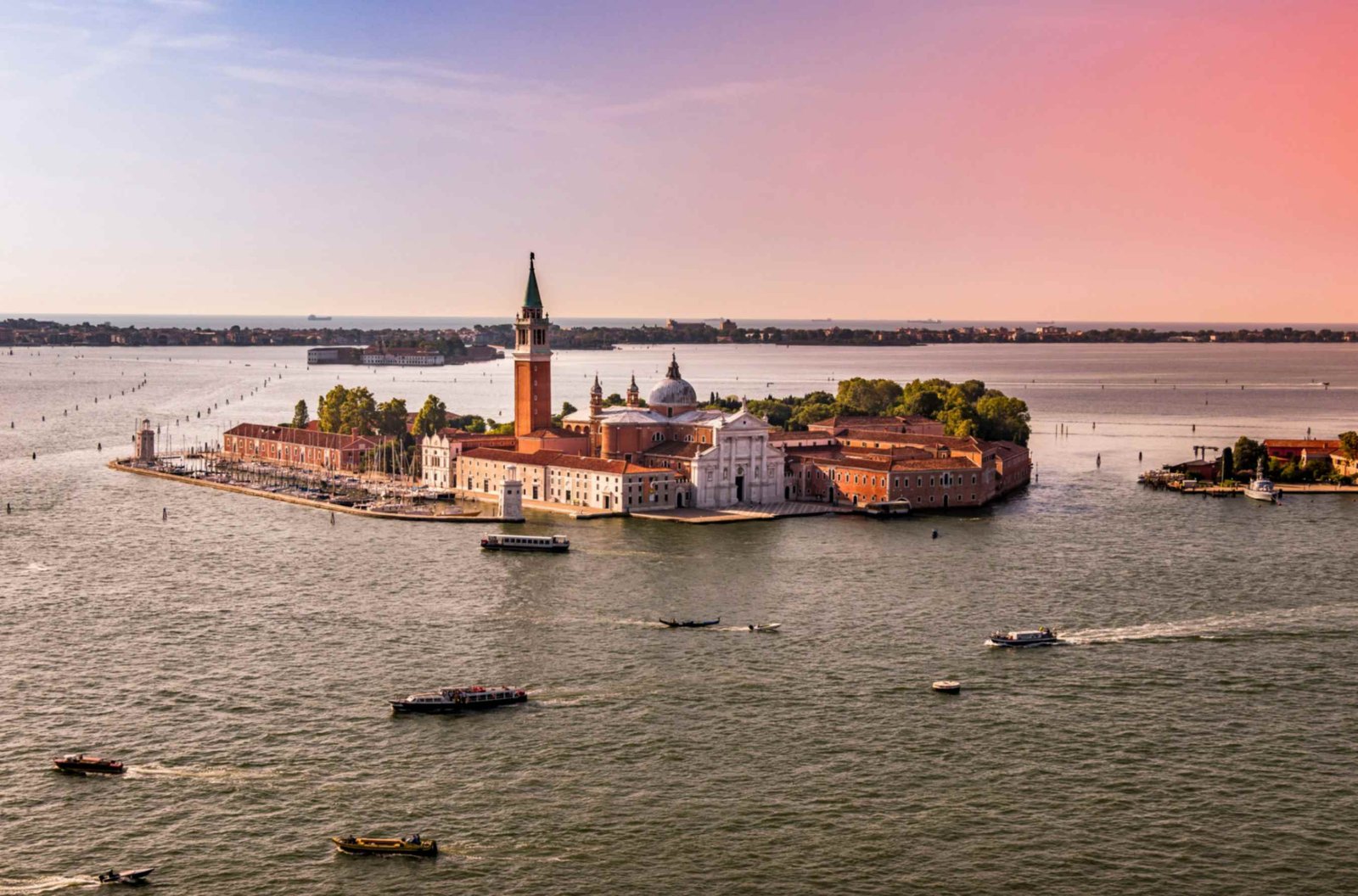
Venice welcomes travelers with a setting unlike any other city. Once you reach Piazzale Roma or Santa Lucia, the urban landscape turns into a network of canals, narrow passages, and stone bridges. Vaporettos run along the Grand Canal, connecting major neighborhoods, while water taxis offer direct arrival at many hotels.
Whether you come for art, architecture, or a quiet walk at sunrise, Venice offers layers of history that appear in every corner. The route from Vienna brings you from imperial streets to the saltwater air of the lagoon within a single day, showing how quickly the landscapes of Central Europe can shift.
For updated local information, museum passes, and transport guides, check the official website of Venice Tourism.