How to get from
Salzburg to Trieste
How to get from Salzburg to Trieste
Connecting the Austrian Alps with the Adriatic coast
The route from Salzburg to Trieste links two places that feel completely different despite being connected by a relatively direct transport corridor. Salzburg sits within the Alpine region of Austria, while Trieste faces the Adriatic and has historically functioned as a gateway between Central Europe and the Mediterranean. Most travelers making this journey are not simply moving between two cities. The route often forms part of a longer itinerary through Austria, Slovenia, and northern Italy. Because of that, the journey is usually planned around efficiency rather than sightseeing, even though there are several notable places along the way.
Leaving Salzburg is straightforward. The city connects quickly to Austria’s motorway network, allowing traffic to disperse efficiently. Once outside the urban area, the route settles into a predictable rhythm that remains largely unchanged for most of the day. The overall distance is manageable within a single travel day, but the total experience depends heavily on the transport method chosen. Direct travel keeps the journey simple, while multiple connections can significantly extend the overall duration.
Private transfer and direct road travel
A private transfer provides the most direct way to travel from Salzburg to Trieste. Instead of coordinating train schedules, bus departures, or station changes, the entire route is completed in one vehicle from departure to arrival. The drive generally takes between four and five hours depending on traffic conditions and the exact destination within Trieste. Once the journey begins, the schedule remains predictable because there are no additional transport stages to manage. One advantage of direct road travel is the flexibility to include short stops without disrupting the overall structure of the day.
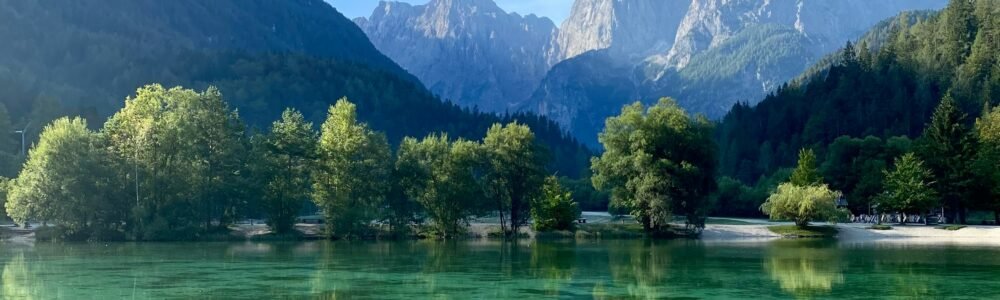
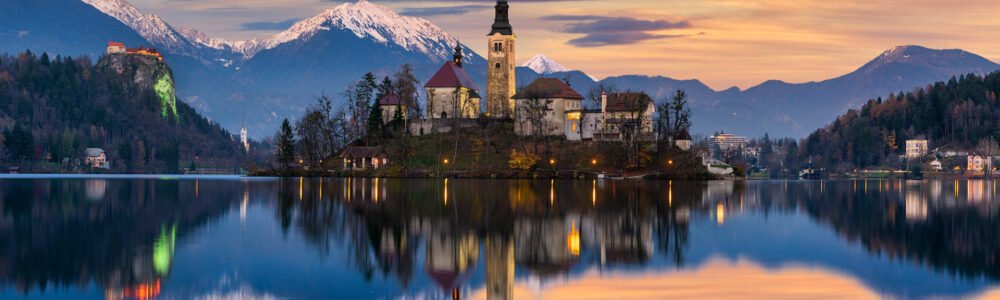
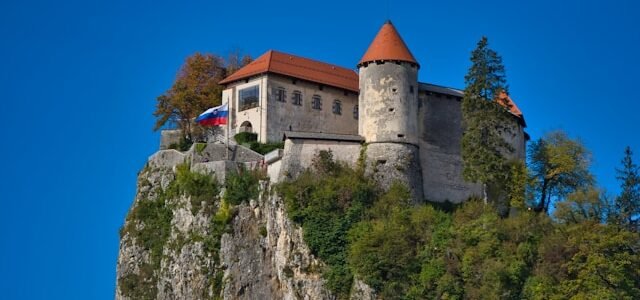
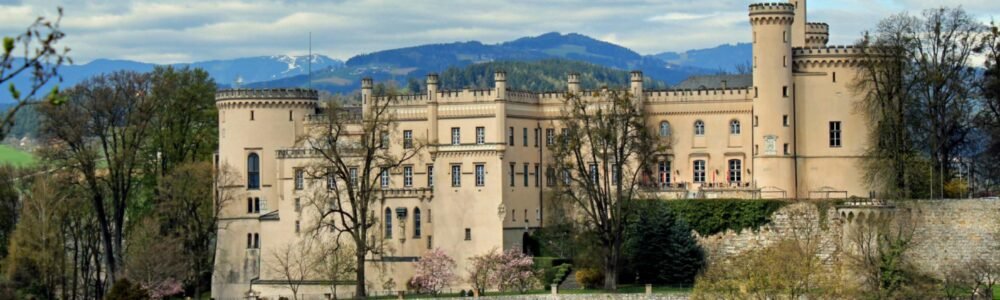
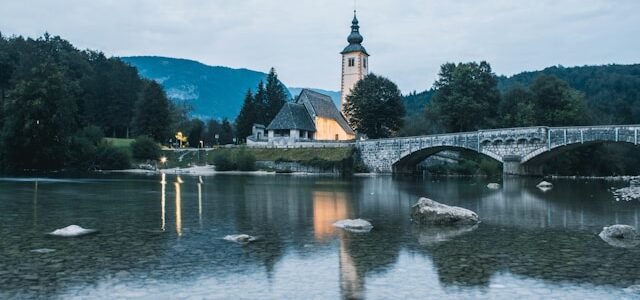
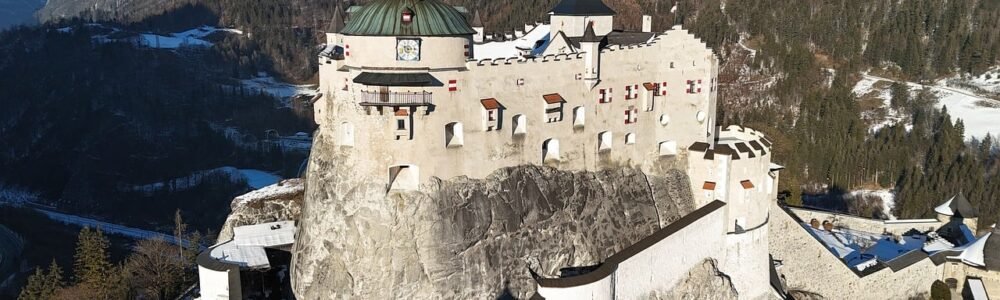
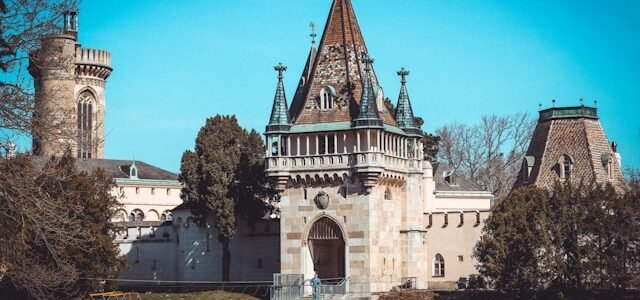
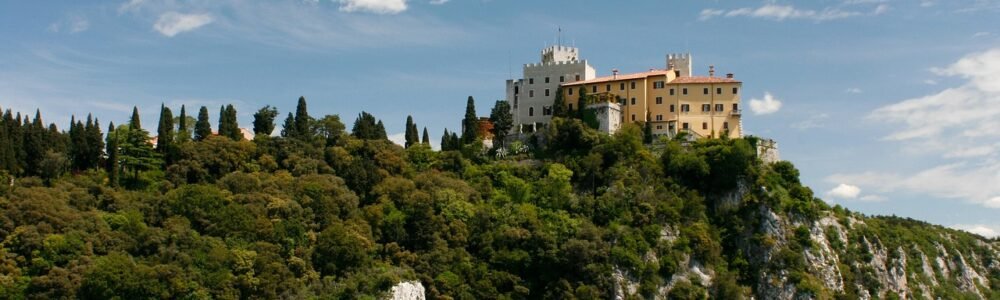
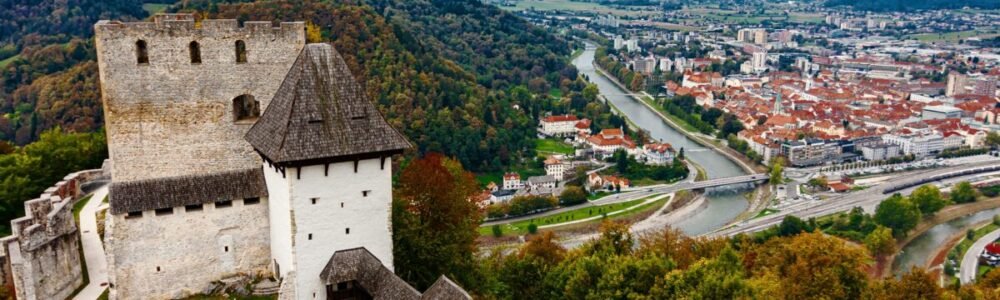
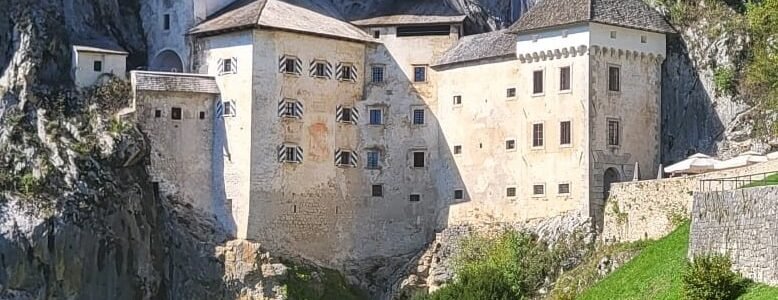
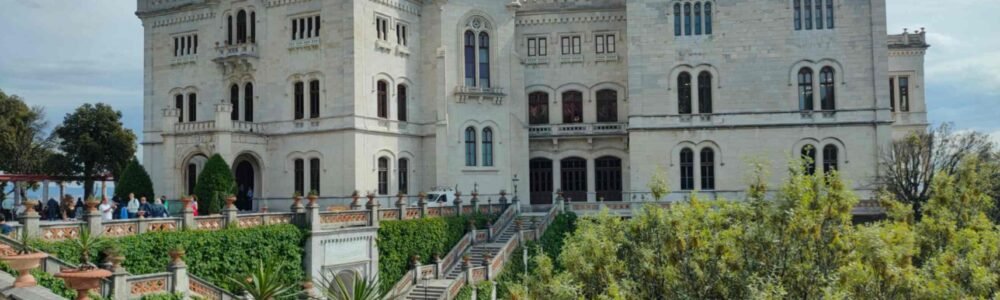
Hohenwerfen Fortress appears early in the journey south of Salzburg. Positioned above the Salzach Valley, it works naturally as an initial pause shortly after departure. Because it sits close to the main route, stopping there does not require major detours or significant additional travel time. Further along the route, Bled offers a completely different environment. Surrounded by Alpine scenery and centered around its well-known lake, it provides a convenient midpoint stop before continuing toward the Adriatic side of the route. Since Bled lies close to the general direction of travel, it integrates naturally into the journey. Near the final section, Miramare Castle appears just outside Trieste along the coastline.
Unlike the earlier inland stops, this location introduces the Adriatic landscape and marks the transition toward the destination. For many travelers, it becomes the final break before entering the city itself. These stops are optional and usually brief. They allow the drive to be divided into smaller segments without significantly affecting arrival time. This option works particularly well for travelers carrying luggage, families, or those arriving with tight schedules. Prices typically range between €420 and €600 per vehicle depending on group size.
Understanding the distance and travel time
The distance between Salzburg and Trieste generally falls between 330 and 380 kilometers depending on the exact route used. Direct road travel usually requires between four and five hours under normal conditions. That figure represents the realistic baseline when the trip remains continuous.
The road network connecting Austria, Slovenia, and northeastern Italy is well developed, which means delays are usually related to traffic rather than road quality or navigation complexity. What often changes total travel time is not the distance itself but the number of interruptions introduced during the journey. Waiting for departures, changing stations, or adjusting to connection schedules can easily add one or two additional hours.
This route tends to feel shorter when it remains continuous because most of the driving happens on major roads with relatively consistent speeds. Early departures generally create the smoothest experience because they reduce exposure to heavier afternoon traffic around larger urban areas.
Driving independently
Driving from Salzburg to Trieste is a practical option for travelers who want complete control over timing and stops. The motorway network remains consistent throughout most of the route. After leaving Salzburg, roads continue south through Austria before entering Slovenia and eventually reaching northeastern Italy. Navigation is straightforward, and major directional changes are minimal. The drive usually takes between four and five hours excluding stops. Traffic conditions are generally stable, although congestion may occasionally appear near larger cities or during holiday travel periods.
Fuel costs typically range between €40 and €75 depending on the vehicle. Austria requires a motorway vignette, usually costing around €11 for ten days. Slovenia requires a weekly vignette, generally around €16. Italy adds motorway tolls, which often range between €10 and €20 depending on the exact route. Driving works especially well for travelers planning to continue beyond Trieste or explore nearby coastal areas afterward. The only significant adjustment comes near the destination, where urban traffic gradually replaces motorway travel.
Rail connections through the region
Train travel is one of the most common alternatives to driving and follows established international corridors connecting Austria, Slovenia, and Italy. Most rail journeys begin directly from Salzburg’s central station and continue south through Austria before connecting toward Trieste. Depending on the schedule, one or more transfers may be required. The rail route offers a comfortable travel experience and allows passengers to avoid motorway traffic. Large sections of the journey pass through Alpine landscapes before transitioning toward the coastal region.
Total travel time generally ranges between five and seven hours depending on connection timing. Ticket prices typically fall between €35 and €100 per person depending on booking date and train category. The train itself is usually not the slowest part of the journey. Additional time often comes from transfers between regional and international services. This option works particularly well for travelers who prefer rail travel and do not mind adjusting their plans around fixed schedules.
Bus travel toward Trieste
Bus services connect Salzburg and Trieste through a combination of regional and long-distance routes. The general direction follows the same corridor used by road traffic, although buses typically make additional stops along the way. This increases total travel time compared to direct driving. Most journeys take between six and eight hours depending on traffic conditions and route structure.
Ticket prices generally range between €25 and €60 per person. The primary advantage of bus travel is cost. The trade-off is flexibility, as schedules remain fixed and intermediate stops cannot be adjusted. Long-distance bus travel is often chosen by budget-conscious travelers who are comfortable spending additional time on the road. For travelers carrying multiple bags or arriving immediately after a flight, the additional duration can feel more significant than the price savings.
Why flights are rarely practical
Flights are generally not the preferred choice for this route. Although both Salzburg and the Trieste region have airport access, the overall distance is short enough that airport procedures remove much of the potential benefit. Check-in requirements, security screening, boarding time, baggage collection, and onward transfers usually result in a total travel time comparable to or longer than direct road travel. Flights also reduce flexibility because schedules are fixed and often require arriving at the airport well in advance. For these reasons, most travelers choose road or rail transport instead.
Choosing the best option
Private transfer keeps the route direct and eliminates connection planning.
Driving independently offers maximum flexibility and control over timing.
Train travel provides a comfortable long-distance alternative but requires schedule coordination.
Bus travel reduces cost while increasing total travel time.
For most travelers, direct road travel remains the simplest overall solution.
Arriving in Trieste
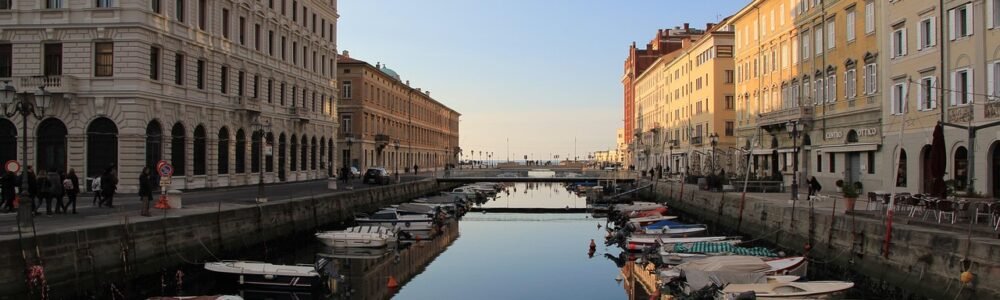
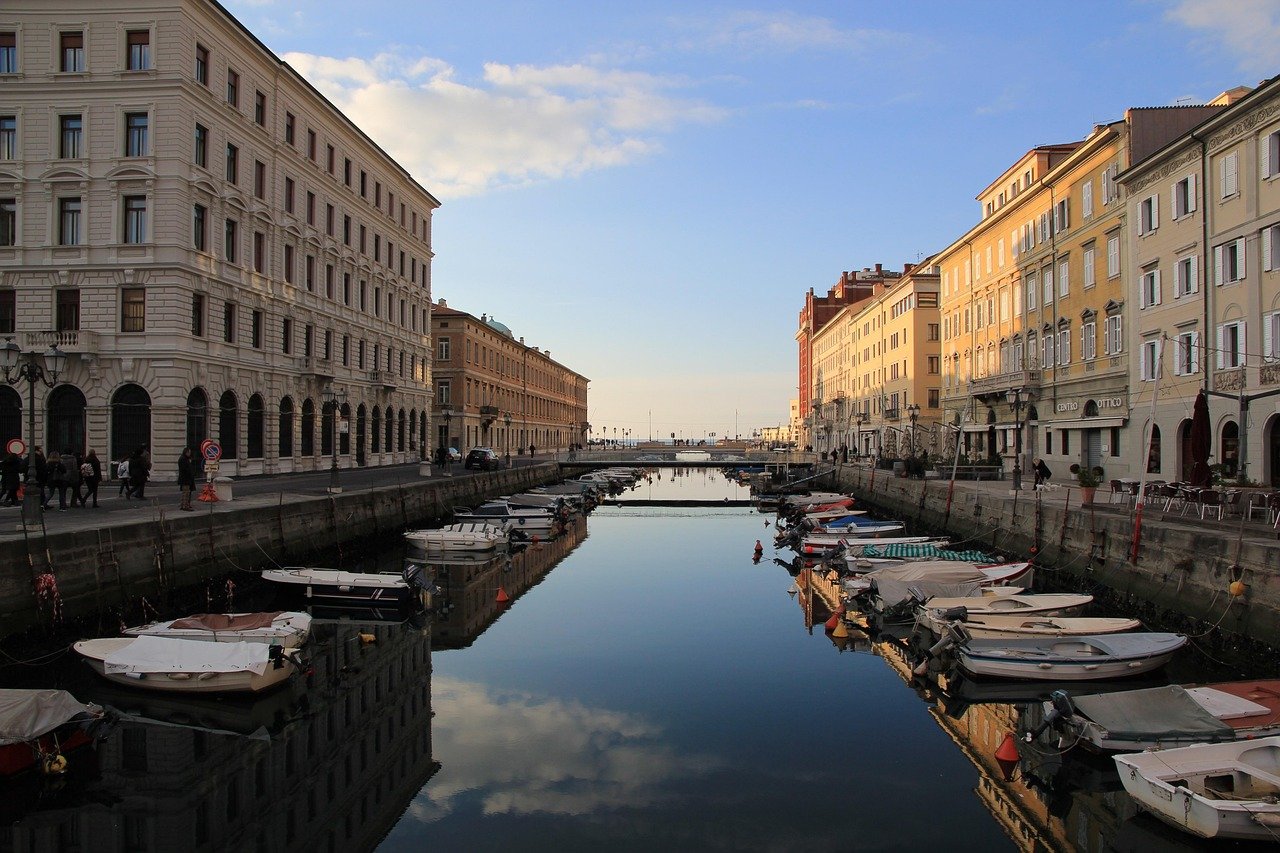
Arrival in Trieste feels different from the earlier sections of the journey. After several hours moving through inland regions and mountain corridors, the city introduces a coastal environment with a noticeably different atmosphere. The waterfront becomes one of the first reference points for visitors. Unlike destinations centered around railway hubs or motorway junctions, Trieste naturally directs attention toward the sea.
The city itself remains relatively compact compared to larger European capitals. Many central districts can be explored on foot, and orientation becomes easier after a short period of walking. Public transport exists throughout the city, but many visitors find that the central area requires very little planning once they arrive. Trieste also functions as a connection point between Italy, Slovenia, and Central Europe, which explains its long-standing role as a transport and trading city.
How many days to stay in Trieste
Two nights in Trieste usually provide enough time to explore the city center, waterfront areas, and major landmarks without rushing. Three nights create more flexibility and make it easier to include nearby coastal areas or additional excursions beyond the city itself. Because the city is relatively compact, longer stays generally depend on interest in the surrounding region rather than the urban center alone. Many travelers combine Trieste with nearby destinations in Slovenia or northeastern Italy, making it part of a broader itinerary rather than a standalone stop. The ideal length of stay depends more on travel plans than on the city itself.
Planning the journey efficiently
The route from Salzburg to Trieste works best when unnecessary transitions are minimized. The distance itself is manageable within a single day, but each additional connection introduces waiting time that can noticeably extend the overall experience. A direct departure and a continuous journey generally provide the most predictable outcome. Travelers relying on multiple schedules often spend more time managing connections than actually moving between destinations.
Because the transport infrastructure between Austria, Slovenia, and Italy is well developed, the route itself is rarely the challenge. The key decision is simply choosing how many stages to include between departure and arrival. For official visitor information, maps, and current updates, visit the official tourism website of Trieste.