How to get from
Bologna to Ljubljana
How to get from Bologna to Ljubljana
Distance and travel expectations
Bologna and Ljubljana are close enough for a same-day overland trip, but far enough apart that the choice of transport changes the whole experience. The fastest road option usually takes around four to five hours without long breaks, depending on traffic around Bologna, Venice, Trieste, and the final approach into Slovenia. The distance is usually around 380 kilometers by road, although the exact figure depends on the motorway entrance, the chosen corridor, and the address in Ljubljana.
Most travelers heading from Bologna to Ljubljana compare three realistic options: a private transfer, driving a rental car, or taking a long-distance bus. Train travel is possible, but it usually involves changes and a longer overall travel day. Flights exist only with connections and rarely make sense for such a short regional trip. The journey is mainly shaped by time, luggage, comfort, and how much flexibility you want between northern Italy and Slovenia.
Private transfer and direct road travel
A private transfer from Bologna to Ljubljana is the most convenient option for travelers who want a door-to-door journey without coordinating several pieces of transport. The driver collects you at your hotel, apartment, airport, or another agreed address in Bologna, and takes you directly to your accommodation or chosen address in Ljubljana. There are no station changes, no waiting for departures, and no need to carry luggage between platforms, bus stops, or taxi ranks.
This matters on a route where public transport can involve separate legs through Venice, Trieste, or other connection points. With a private transfer, the trip becomes one continuous journey. Travel time is usually predictable, because the vehicle can follow the motorway network across northern Italy and continue toward Slovenia without unnecessary detours. It is also more comfortable for families, small groups, older travelers, or anyone carrying large suitcases, sports equipment, or several bags.
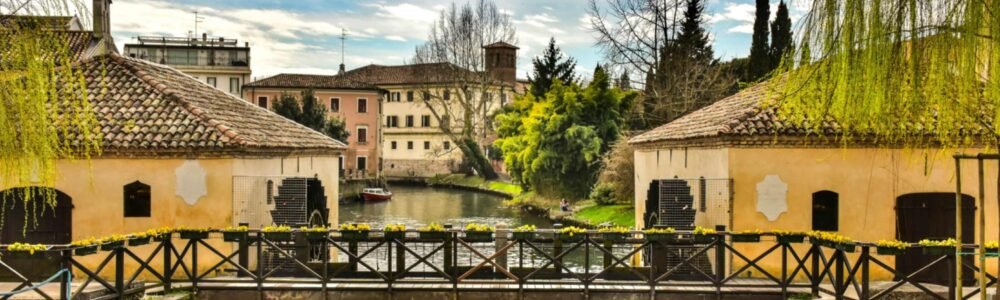
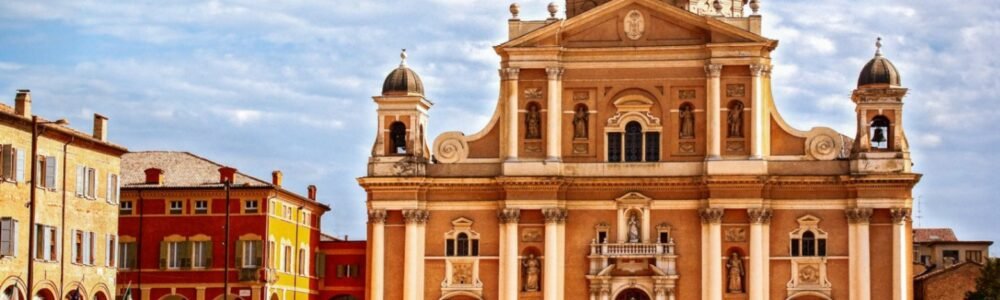
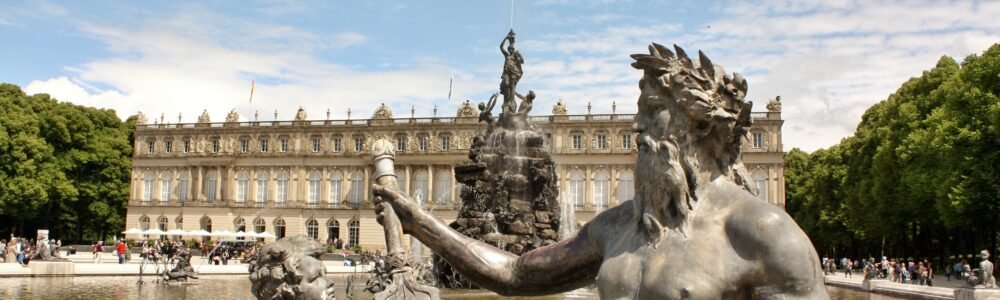
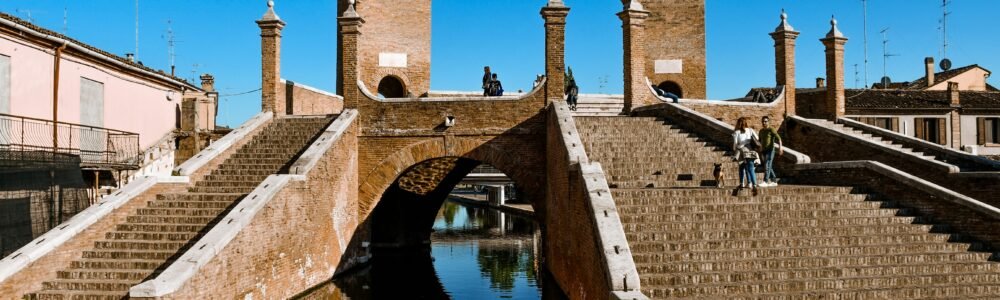
Ferrara fits naturally near the first part of the journey after leaving Bologna. It is close enough not to disturb the day, yet different enough from Bologna to make a short pause feel worthwhile. Travelers usually spend time around the historic center, the castle area, and the broad streets that show the city’s Renaissance layout before continuing toward the northeast.
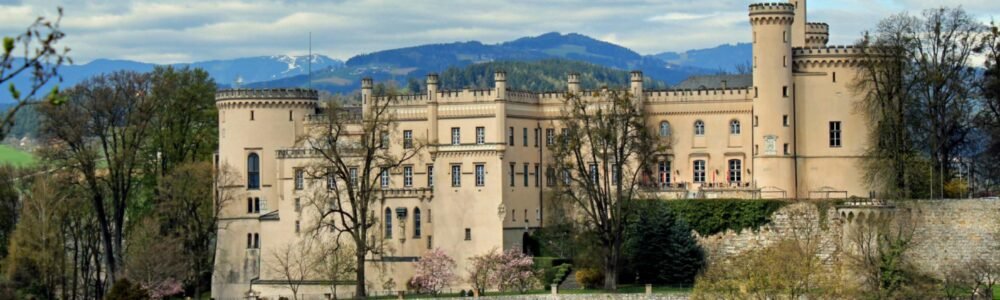
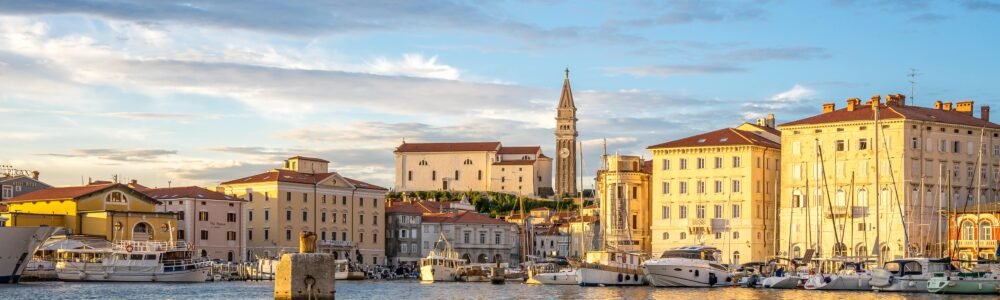
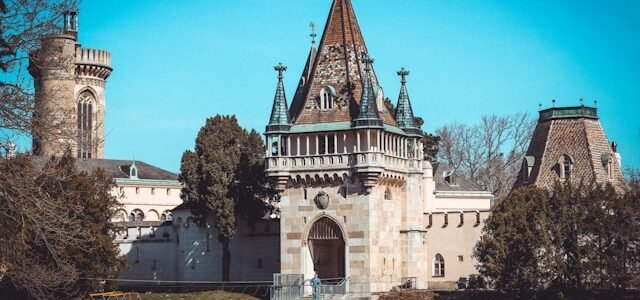
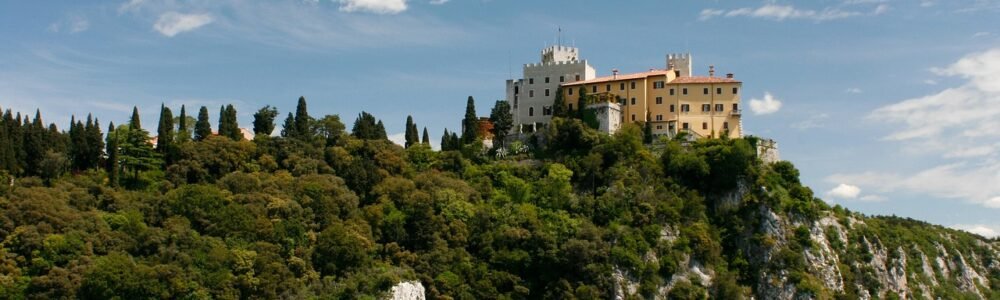
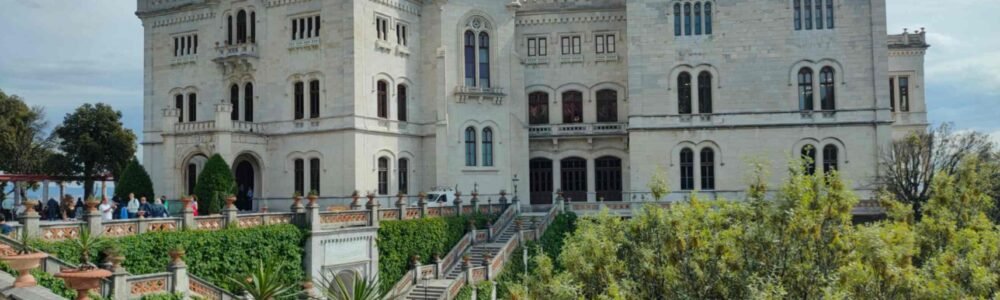
Miramare Castle comes later, near Trieste and the Adriatic. It makes sense geographically because the road toward Slovenia passes close to this coastal area before the final stretch inland. A stop here gives travelers a complete change of setting, with the castle grounds, sea-facing terraces, and the Gulf of Trieste marking the point where the Italian plain gives way to the border region.
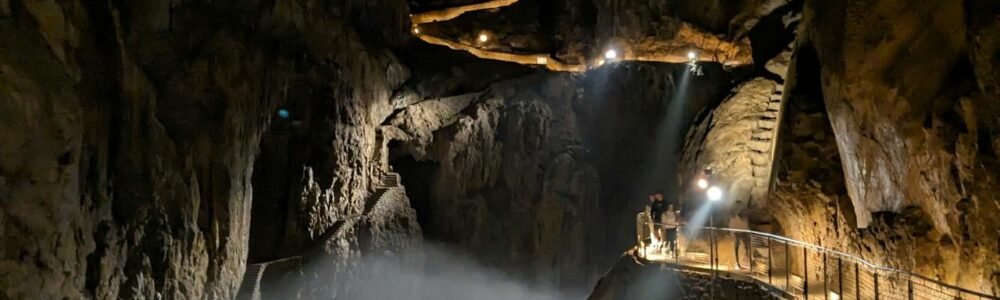
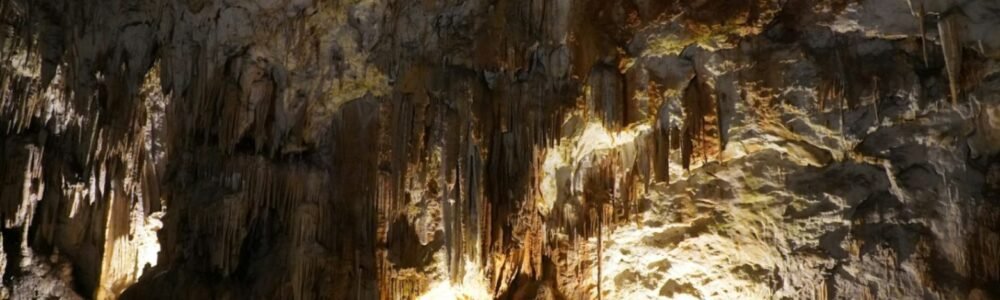
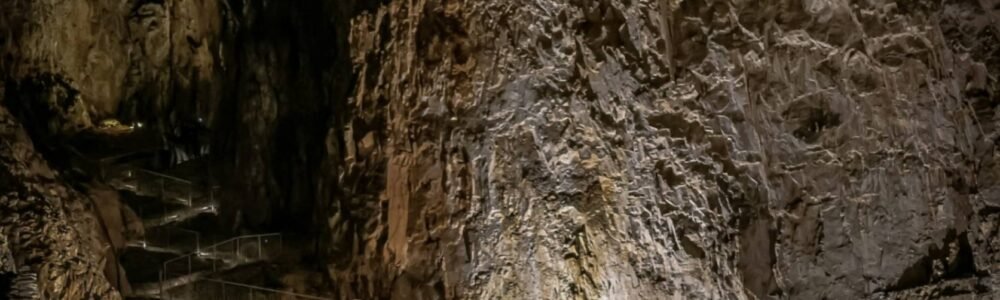
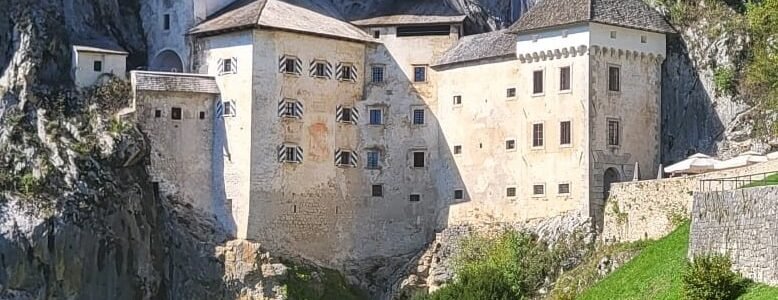
Postojna Cave is best placed near the Slovenian part of the trip. It is not far from the main road toward Ljubljana and can turn the final section into a more varied travel day. The cave is one of Slovenia’s best-known natural sites, and a visit here can be included without changing the overall direction of travel. Prices for a private transfer usually depend on vehicle size, exact pickup and drop-off points, waiting time, and any planned stops.
Driving yourself
Driving from Bologna to Ljubljana is straightforward for anyone comfortable with motorway travel. After leaving Bologna, the usual direction is northeast across the Po Valley and toward the Veneto and Friuli Venezia Giulia regions, before entering Slovenia and continuing toward Ljubljana. In clear conditions, the road part of the trip can take around four to five hours, but summer traffic, weekend departures, and delays near larger cities can add time.
Fuel and tolls should be included in the budget. Italian motorways are toll roads, and the total toll cost depends on the exact route and exits used. Once in Slovenia, drivers need the correct motorway vignette before using Slovenian motorways. Rental car users should also check whether cross-border travel is allowed and whether any additional fee applies. These details are easy to overlook when booking a car only for Italy. Driving yourself usually costs around €80–€110 for the car, before parking and any rental-car fee. Fuel for the Bologna to Ljubljana drive is normally around €40–€55, Italian motorway tolls can add approximately €25–€35, and Slovenia requires a motorway e-vignette. For a standard passenger car, the Slovenian 7-day vignette costs €16, so parking in Ljubljana is the main extra cost to consider.
Road quality is generally good, and navigation apps handle the trip well. The main challenge is not the road itself, but the practical side of driving: collecting the car, understanding the rental conditions, paying tolls, buying the vignette, and finding parking after arrival. Ljubljana’s central areas are manageable, but some streets are pedestrian-friendly or restricted, so it is better to choose accommodation with clear parking instructions. Driving gives more independence than the bus or train, especially if you want to control your departure time. It also removes the need to follow public transport schedules. On the other hand, it can become less attractive for travelers who do not need a car in Ljubljana. Once you arrive, the city is easy to explore on foot, and a rental car may spend most of its time parked.
Train travel
Train travel between Bologna and Ljubljana is possible, but it is not usually the simplest way to make the trip. There is no fast direct high-speed connection that turns the route into an easy single-leg journey. Most train itineraries involve changing in northern Italy, often around Venice, Mestre, Trieste, or another connection point, with onward travel toward Slovenia depending on the timetable for that day.
The total travel time can vary widely. Some combinations may look reasonable when the connections line up well, while others can become a long day with waiting time between trains. It is common for the train journey to take around seven to ten hours, and sometimes longer if the connection pattern is inconvenient. This makes it less competitive than driving or a private transfer for travelers whose priority is arrival time.
Ticket prices also vary. Advance fares on Italian trains can be affordable, especially for the Bologna to Venice or Trieste part, but the full journey price depends on the exact combination of operators and whether the Slovenian leg is booked separately. A low fare on one part of the trip does not always mean the whole journey will be cheap, especially when several tickets are needed. Train prices are less predictable because the journey usually involves at least one change and may combine different operators. Advance fares can start from around €33–£35, but a more realistic budget is usually €50–€120 per person, especially when booking closer to the travel date or choosing better connections.
Comfort is the main advantage. Trains provide space to move, toilets on board, and the option to read, work, or rest during the trip. Luggage is manageable if you pack lightly, but changing trains with large suitcases can be annoying. Train travel suits travelers who are not in a hurry, prefer rail over road, and are willing to plan around transfers rather than expecting a direct connection.
Bus travel
The bus is often the most practical public transport option from Bologna to Ljubljana. Long-distance buses usually offer fewer complications than the train, because they avoid multiple rail connections and take passengers between major bus terminals. Travel time is commonly around five to seven hours, depending on the service, traffic, and stops along the way.
Ticket prices are usually lower than private transport and can be attractive when booked in advance. Fares often start around the lower end of the budget range, while last-minute tickets, busy dates, and better departure times can cost more. The bus is therefore useful for solo travelers, students, backpackers, and anyone who wants a simple low-cost connection without renting a car. Bus tickets are usually the cheapest public transport option on this route. Prices commonly range from €30 to €60 per person, with advance fares sometimes starting from €29.98. The final price depends on the date, departure time, seat availability, and how early the ticket is booked.
The main limitation is flexibility. You travel according to the departure schedule, and delays can happen if traffic is heavy around Bologna, Venice, Trieste, or the motorway corridors used by the service. Unlike a private car or transfer, the bus will not take you to your exact address, so you also need to consider the trip from your accommodation in Bologna to the departure point and from Ljubljana bus station to your final destination.
Comfort is acceptable for most travelers on this distance, but it depends on expectations. Modern coaches usually have reserved seats, luggage storage, air conditioning, and sometimes Wi-Fi or power sockets, although onboard facilities should not be the main reason for choosing the bus. For travelers with one suitcase and a flexible schedule, it is often the most efficient public option.
Flights between Bologna and Ljubljana
Flying from Bologna to Ljubljana is usually the least logical option. The two cities are not far apart, and there are generally no direct flights that make air travel competitive with road transport. Most flight options require a connection through another European airport, which means the total travel time can easily become longer than going overland.
The airport process also adds time before and after the flight. You need to travel from Bologna city center to Bologna Airport, arrive early enough for check-in and security, wait for the flight, change planes if required, land at Ljubljana Airport, collect luggage, and then continue into the city. Even if the flight time itself looks short, the full door-to-door journey often becomes inefficient.
Flights can also be expensive compared with bus travel or even shared ground transport. Connecting tickets may make sense only for travelers who are already flying into Bologna and can combine the itinerary with another international flight, but for a simple city-to-city journey, they rarely save time. Flights can sometimes appear from around €53 one way, but they usually require a connection and are rarely practical for this distance. A realistic flight budget is often €70–€250+ per person, and the total travel time becomes much longer once airport transfers, check-in, security, baggage, and the connection are included.
The only real advantage is for specific airline itineraries where Bologna and Ljubljana are part of a wider trip. For most visitors already in Bologna, road travel is more direct, easier to plan, and better matched to the distance involved.
Which option is best
Private transfer offers the easiest door-to-door trip, the most comfort with luggage, and the best control over timing.
Driving provides independence, but it also brings tolls, fuel, vignette rules, rental conditions, and parking decisions.
Train travel suits travelers who prefer rail and do not mind a longer day with one or more changes.
Bus travel is the best budget choice for passengers who want a direct public connection at a lower price.
Flights are usually impractical because connections and airport time remove any real advantage.
Arriving in Ljubljana
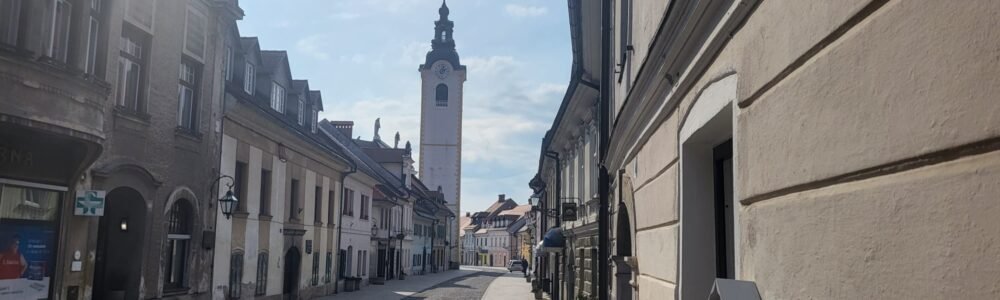
Arriving in Ljubljana is usually easier than arriving in many larger European capitals. The city center is compact, the main bus and railway stations are close to each other, and many hotels and apartments are within a short taxi ride or manageable walk. If you arrive by private transfer, the main advantage is that you can be dropped directly at your accommodation instead of finishing the trip with another local transfer.
Travelers arriving by car should pay attention to parking before entering the central area. Some hotels have private parking, while others rely on public garages or nearby paid spaces. Ljubljana is pleasant to move around on foot once you are settled, so it is often better to park once and leave the car there. Local buses, taxis, and walking cover most city needs.
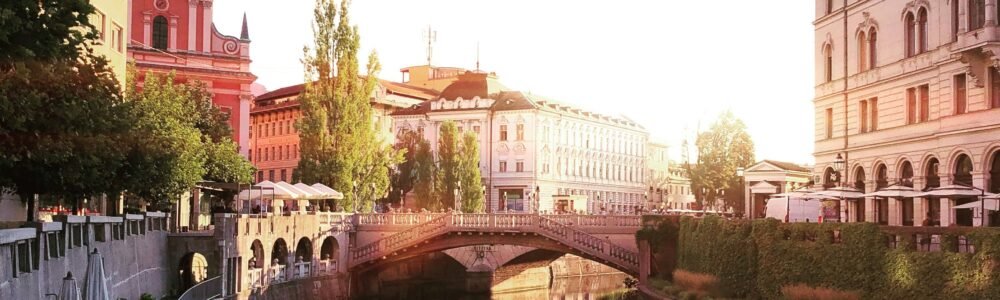
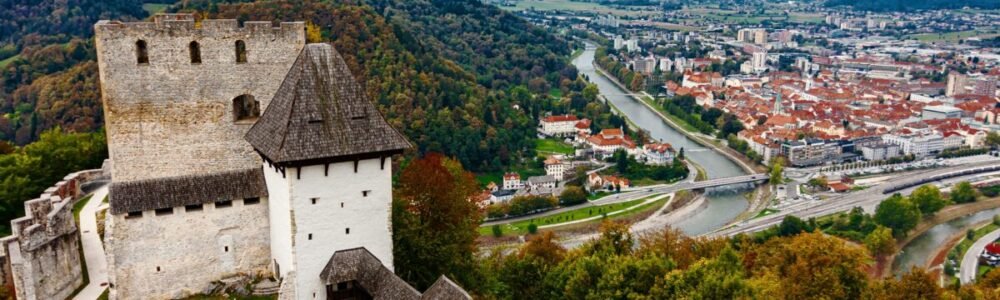
The first impression is usually calm and organized. Ljubljana does not feel overwhelming after a long journey, and the central streets are easy to understand quickly. The river area, pedestrian zones, and compact layout help visitors get oriented without spending much time on local transport. This makes the city a comfortable final stop after several hours on the road from Italy.
If you arrive by bus or train, allow a little extra time for the final part of the journey. The station area is close to the center, but luggage, weather, and accommodation location can make a taxi worthwhile. For evening arrivals, checking the exact address and entrance instructions in advance can make the last step much smoother.
How long to stay in Ljubljana
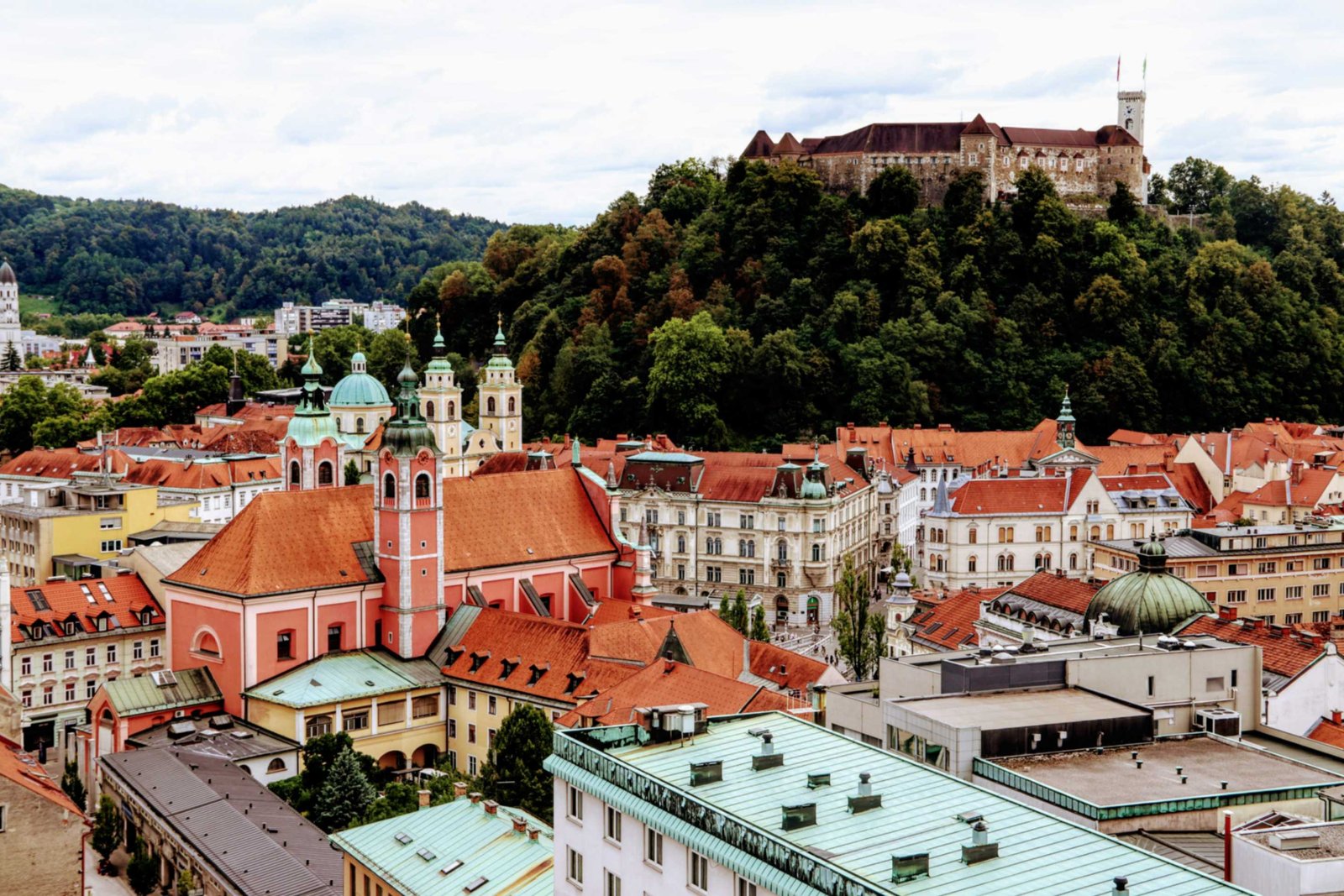
Two nights in Ljubljana are enough for a short first visit. This gives you one full day in the city, which is usually sufficient for the old town, the riverside, the castle area, local restaurants, and a relaxed evening. For travelers using Ljubljana as a stop between Italy, Austria, Croatia, or the Slovenian countryside, two nights keep the itinerary efficient without making the stay feel rushed.
Three nights are better if you want a slower pace or plan to use Ljubljana as a base. The city is small, but it is well positioned for day trips and regional travel. An extra night also helps if you arrive late from Bologna, because the first day is then not lost to transport and check-in. This is especially useful for families or travelers who prefer not to move accommodation every day.
A longer stay can make sense if Ljubljana is part of a wider Slovenia itinerary. The capital is practical for organizing onward travel, renting a car, or taking guided day trips. It is also a good place to pause after several busy Italian cities, because the scale of the city is easier to manage and the rhythm is slower.
For most visitors coming from Bologna, two to three nights is the best balance. It gives enough time to understand the city without turning a transport stop into an unnecessarily long stay.
Preparing for the trip
The best way to plan the journey from Bologna to Ljubljana is to decide first how much control you want over the day. If you want the simplest experience, private transfer is the most comfortable choice because it removes connections, station changes, and luggage handling. If you want independence and do not mind managing the practical details, driving is a strong option. If price is the main factor, the bus is usually the most sensible public transport choice.
Train travel can be enjoyable, but only when the connections are convenient and the schedule fits your plans. Flights are rarely worth considering for this city pair unless they are part of a larger air itinerary. The distance is better suited to road travel, and most people will find that staying on the ground gives a clearer, faster, and less fragmented travel day.
Before departure, check your accommodation addresses, expected arrival time, luggage needs, and onward plans in Ljubljana. A route of this length is not difficult, but small details can change the comfort of the day. Early departures usually leave more room for traffic delays, while afternoon departures can push arrival into the evening.
For official visitor information, maps, and seasonal updates, visit the official tourism website .