How to get from
Ljubljana Airport to Munich
How to get from Ljubljana Airport to Munich
Leaving the airport and heading toward Bavaria
The route from Ljubljana Airport to Munich is one of the longer road connections commonly taken from Slovenia into southern Germany. Even though the trip crosses several regions, the structure stays simple once you leave the airport area and join the motorway corridor heading north. Ljubljana Airport itself is positioned outside the capital, so the beginning of the drive feels direct. You are not spending the first hour moving through dense urban traffic before properly starting the route. Within a short time, the road opens and the journey settles into a stable rhythm.
Most travelers doing this route are either continuing toward Germany after visiting Slovenia or arriving by air and moving directly toward Bavaria. In both cases, the organization of the journey matters more than the distance itself. A direct route keeps the day manageable. Waiting between transport segments changes the pace completely and turns a straightforward transfer into a longer travel day. The route itself remains consistent. After leaving northern Slovenia, the road continues through Austria before reaching southern Germany and the Munich area. There are no major directional changes, which makes the trip predictable once it begins.
Private transfer and uninterrupted road travel
A private transfer Ljubljana Airport to Munich keeps the route continuous from without introducing additional steps between departure and arrival. The driver meets you directly at arrivals, luggage stays in the same vehicle throughout the journey, and the schedule remains fixed from the beginning. The drive usually takes between five and six hours depending on traffic and the exact arrival point in Munich. Once the route settles into the motorway corridor through Austria, the pace becomes steady and does not change much for the rest of the trip. This option becomes especially practical after a flight because it removes another waiting phase from the day. Instead of leaving the airport only to wait again for a train or bus departure, the journey continues immediately.
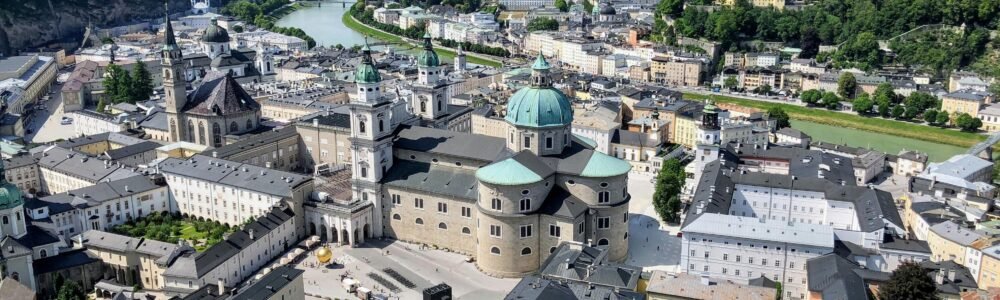
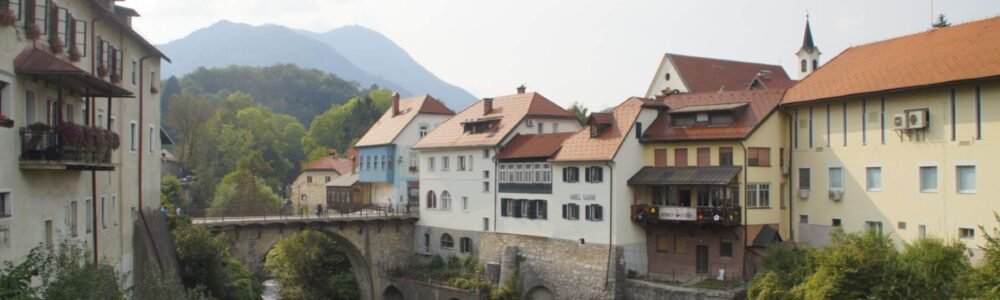
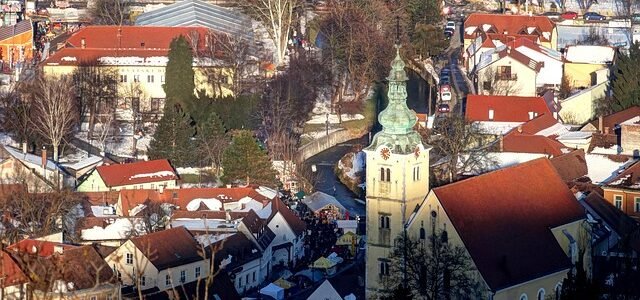
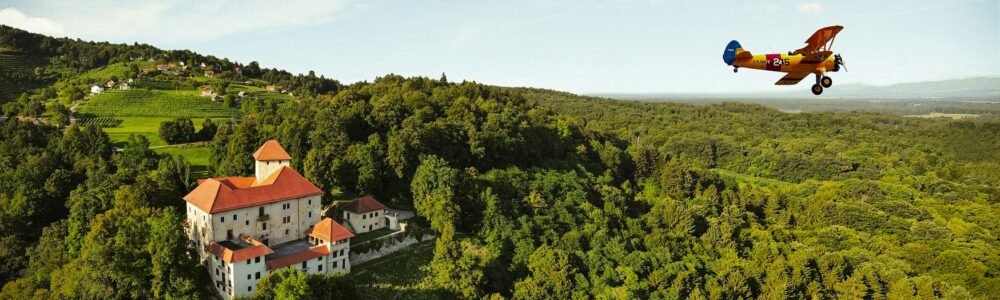
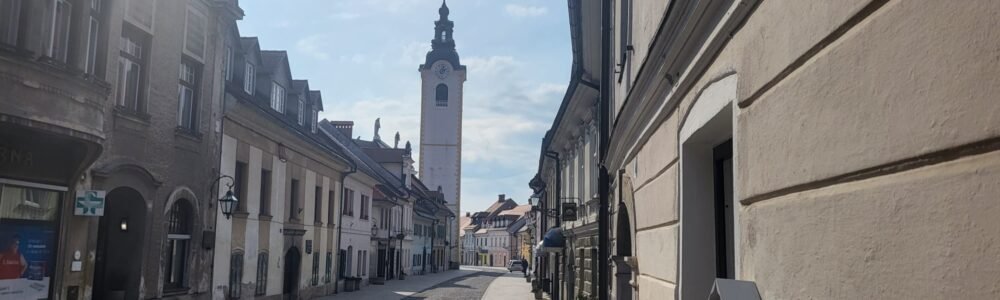
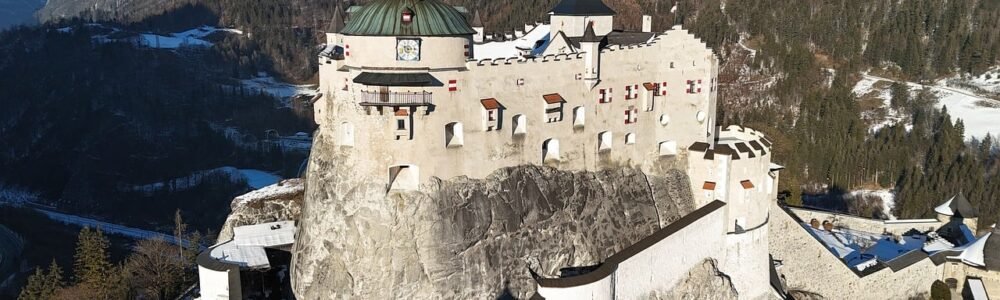
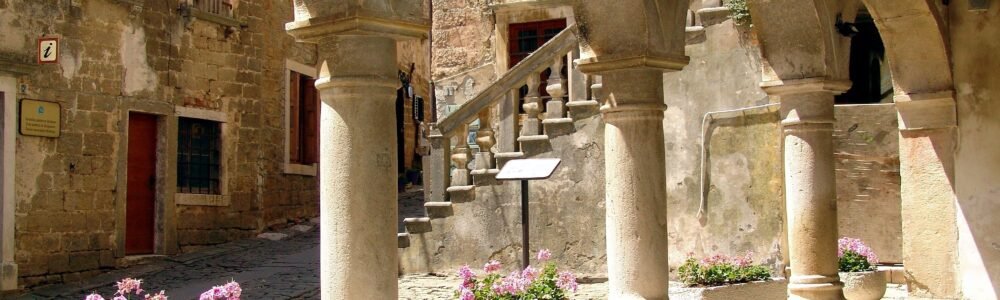
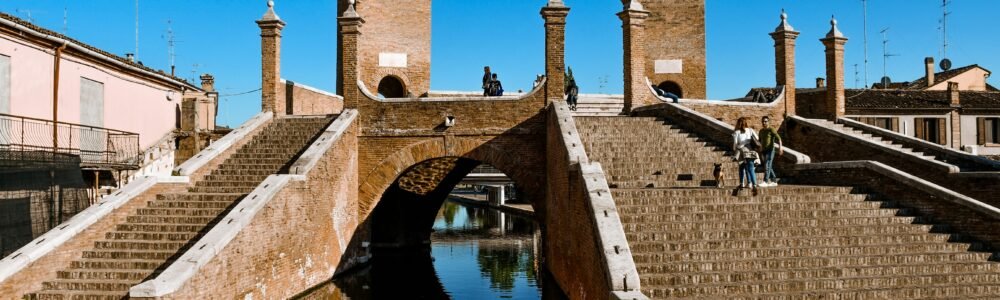
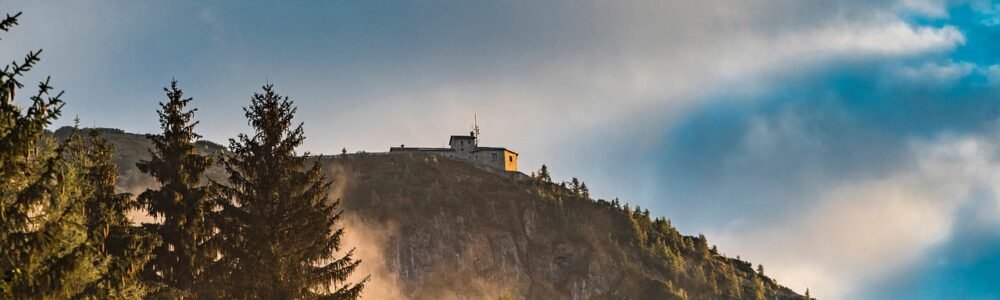
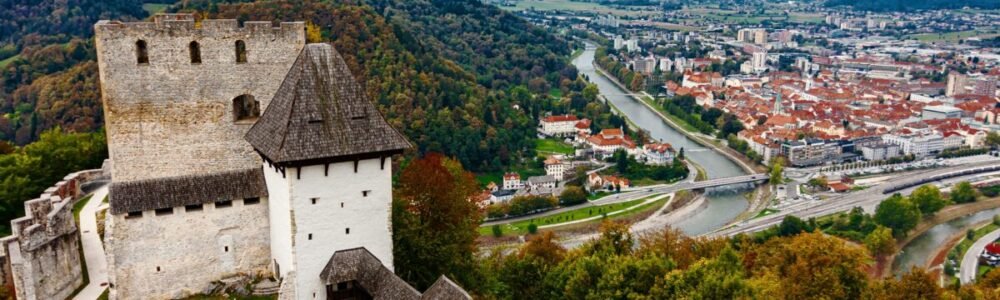
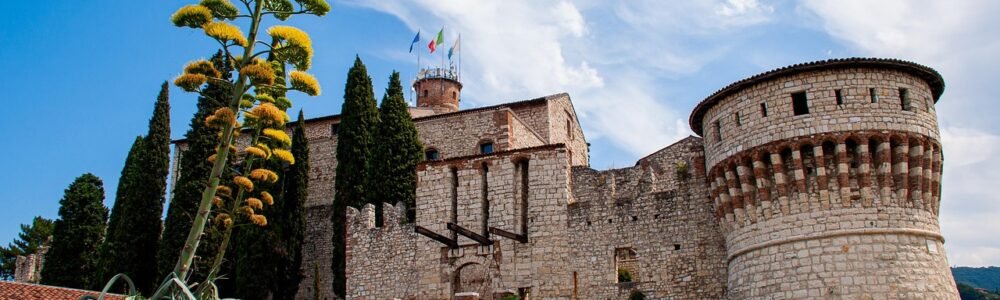
The route also allows several stops that fit naturally into the drive without changing the overall structure. Škofja Loka appears relatively early and works as a short first pause after leaving the airport area. Because it sits close to the northern corridor through Slovenia, it can be included without affecting timing significantly. Further along, Eagle’s Nest sits in the Bavarian Alps near Berchtesgaden and changes the scenery noticeably compared to the motorway sections earlier in the route. It works better as a longer midpoint stop because the surrounding mountain area naturally slows the pace of the journey. Salzburg comes shortly afterward and acts as the final major urban point before continuing toward Munich. Many travelers stop briefly there before completing the last part of the route through Bavaria.
These stops are usually short and simply divide the drive into smaller segments. They do not turn the journey into a separate sightseeing itinerary. This option works best when the goal is to keep the day predictable and avoid unnecessary transitions between transport modes. Prices usually range between €430 and €600per vehicle depending on group size.
Travel distance and realistic timing
The distance between Ljubljana Airport and Munich is generally between 380 and 450 kilometers depending on the route used and the exact arrival point in Munich. In direct road conditions, the trip usually takes around five to six hours. That is the realistic baseline when the journey remains continuous from start to finish. What changes the total duration is not the road itself but how many interruptions are introduced into the schedule. Waiting between departures or moving between transport stations usually adds more time than the drive itself.
This route is long enough that timing begins to shape the entire day. Leaving early keeps the arrival manageable, while later departures often push arrival toward the evening. The structure of the road remains stable throughout the journey. After leaving Slovenia, the motorway corridor continues through Austria toward Salzburg and then north into Bavaria before reaching Munich. Traffic conditions are usually predictable, although slowdowns can appear around Salzburg or closer to Munich during peak periods.
Driving the route independently
Driving from Ljubljana Airport to Munich is straightforward because the motorway network between Slovenia, Austria, and Germany is well connected. After leaving the airport, the route continues north through Slovenia before entering Austria and eventually Bavaria. Once you are on the motorway corridor, navigation becomes very simple and remains consistent for most of the drive. The journey usually takes between five and six hours depending on traffic and stops. Outside of major seasonal travel periods, the pace remains stable for most of the route.
Fuel costs typically range between €50 and €90 depending on the vehicle. Slovenia requires a motorway vignette, which usually costs around €16 for a weekly pass. Austria also requires a vignette, generally around €11 for ten days. Germany currently does not require motorway tolls for private passenger vehicles. Driving independently works well if Munich is part of a longer road itinerary through Germany or Austria. It also allows flexibility regarding stops and departure timing. The main challenge is arrival into Munich itself. Traffic becomes noticeably heavier near the city, especially during afternoon hours.
Train routes through Austria
Train travel between Ljubljana Airport and Munich is possible, although it requires several steps before reaching Germany. Because Ljubljana Airport does not have a direct railway station, the first part of the journey involves reaching Ljubljana or Kranj station by shuttle, taxi, or airport transfer. From there, rail connections continue north through Austria, often passing through Salzburg before reaching Munich. The train ride itself is comfortable and follows established international rail corridors. Large parts of the route move through Alpine regions before entering Bavaria.
Total travel time usually ranges between six and eight hours depending on connection timing. Ticket prices generally fall between €40 and €120 per person depending on train type and booking time. The experience itself is relatively smooth once underway. Most delays come from transfers and waiting periods rather than the rail segments themselves. This option works best for travelers who prefer rail travel and do not mind organizing multiple connections.
Bus travel toward Munich
Bus travel follows the same general direction as road traffic and usually connects through Austria before reaching Munich. The route itself is straightforward, but total duration becomes longer because of scheduled stops and slower overall pace compared to direct road travel. Most journeys take between seven and nine hours depending on traffic and departure timing.
Ticket prices usually range between €30 and €70 per person. The ride itself is uncomplicated once it begins. The overall experience depends heavily on departure timing and waiting periods before the route properly starts. This option is mostly used by travelers prioritizing lower cost over shorter travel time. Longer bus routes also tend to feel more tiring because the journey remains continuous without much flexibility once underway.
Why flights are usually avoided
Flights between Ljubljana and Munich technically exist through nearby airports, but they are not always practical for this type of route. The actual flight duration is short, but airport procedures remove most of the advantage. Check-in, security, boarding, and transfer time after landing significantly extend the overall journey.
When all segments are included, the total duration often becomes similar to direct road travel. Flights also reduce flexibility because schedules are fixed and usually require arriving at the airport well in advance. For that reason, many travelers still prefer direct road or rail travel instead.
Comparing the available transport options
Private transfer keeps the route direct and removes waiting between segments. Driving independently gives flexibility and control over timing and stops. Train travel is comfortable and works well over long distances, although it requires transfers. Bus travel lowers cost but extends the total duration of the journey. For most travelers arriving by air, direct road travel remains the simplest option because it avoids additional transitions after landing.
What to expect after arriving in Munich
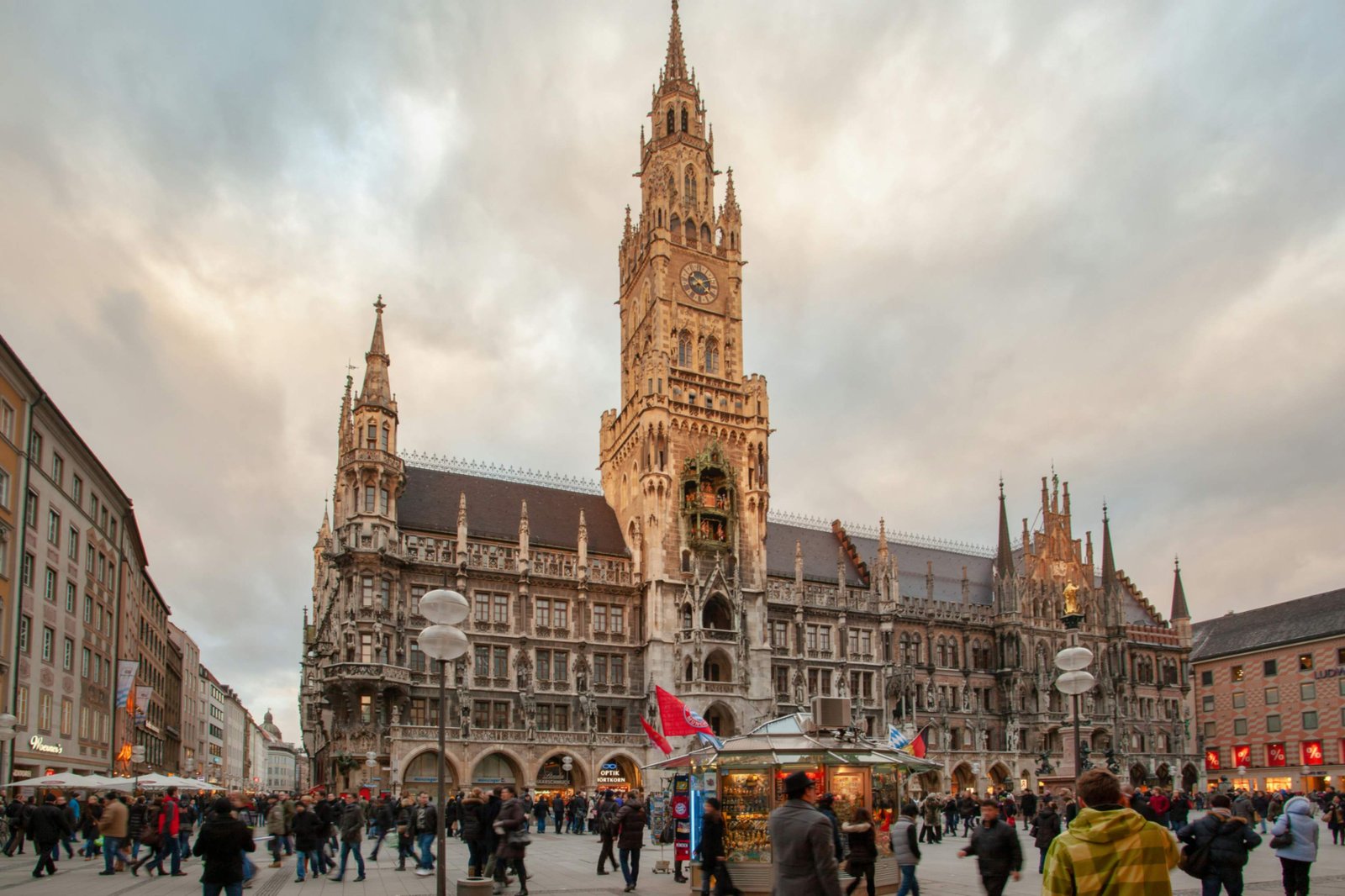
Munich feels significantly larger than cities earlier in the route. Traffic increases before entering the center, and movement inside the city becomes slower compared to the motorway sections through Austria. The city itself is well organized, but distances between districts are larger than in smaller regional destinations. Public transport becomes important after arrival because the urban area spreads far beyond the center. Most visitors first move toward Marienplatz or the central station area, which naturally acts as the main orientation point.
Compared to Salzburg or smaller Austrian towns along the route, Munich immediately feels more structured around larger traffic flow and business movement. Despite that, navigation remains straightforward because public transport connections are extensive and clearly organized.
How many days to spend in Munich
Two nights in Munich are usually enough to explore the central districts and major landmarks without rushing. Three or four nights allow more flexibility and create time for surrounding areas or day trips into Bavaria. Many travelers use Munich as a broader transport hub rather than a single-destination stay because the city connects easily to other parts of southern Germany. The pace of the stay usually depends more on the number of planned activities than on travel distances inside the city itself.
Keeping the route efficient from the beginning
This route works best when the journey remains structured from the moment you leave the airport. The road distance itself is manageable within one day, but every additional transfer adds waiting time that changes the overall experience. If you continue directly after landing, the route feels stable and predictable. If the journey depends on multiple departures and station changes, the same distance becomes significantly longer. Most of the difference comes from how the day is organized rather than from the kilometers themselves. For current visitor information about Munich, click the official tourism website.