How to get from
Venice to Zagreb
How to get from Venice to Zagreb
Distance and travel expectations
The route between Venice and Zagreb connects northern Italy with the Croatian capital across the western Balkans corridor. Venice sits on the Adriatic lagoon, while Zagreb lies inland at the edge of the Pannonian basin. The journey moves gradually away from the coast, crosses northeastern Italy and western Slovenia, and then continues toward the Croatian interior. The distance between the two cities is roughly 380 kilometers depending on the route taken. In real travel conditions, most direct trips take between four and five hours when traveling by road without long stops. The route itself is relatively straightforward because modern highways connect northern Italy with Slovenia and Croatia.
The journey begins by leaving the Venetian lagoon area and heading toward the mainland highway network. From there the road moves northeast across the Veneto region before approaching the Slovenian border. After crossing Slovenia, the final section continues toward Zagreb. Travelers who leave Venice in the morning usually reach Zagreb early or mid-afternoon. That timing allows enough time to settle into accommodation and explore parts of the historic center later the same day.
Later departures normally push arrival closer to evening, especially during busy travel periods.
Private transfer and direct travel
A private transfer offers the most straightforward way to travel between Venice and Zagreb, as it’s a single, uninterrupted journey with no need for transfers or switching transport. Drivers usually collect passengers directly from their accommodation in Venice or from Piazzale Roma, which is the last point accessible by road before the historic city center. From there the vehicle joins the highway network heading toward northeastern Italy.
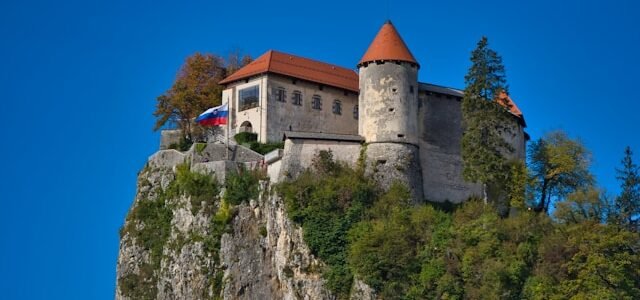
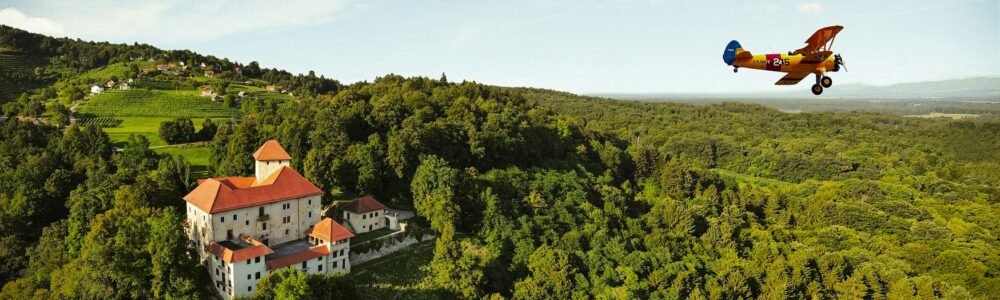
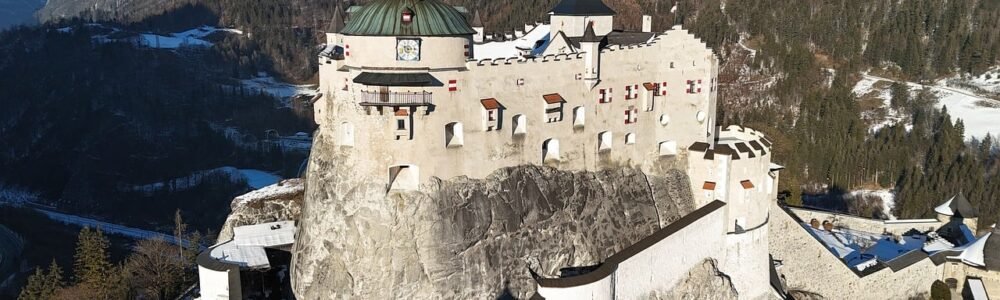
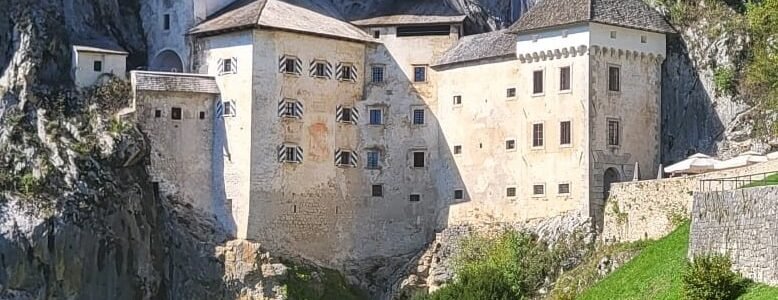
Driving time normally falls around four hours depending on traffic conditions. One advantage of this option is the ability to include brief stops along the route. Noventa di Piave appears early in the journey shortly after leaving the Venice area. The town is known for its outlet shopping district and works as a quick stop for coffee or a short break before continuing the drive. Further east in Slovenia stands Predjama Castle, built directly into the mouth of a cave within a limestone cliff. The unusual structure sits a short distance from the main corridor and provides a distinctive stop during the middle part of the trip.
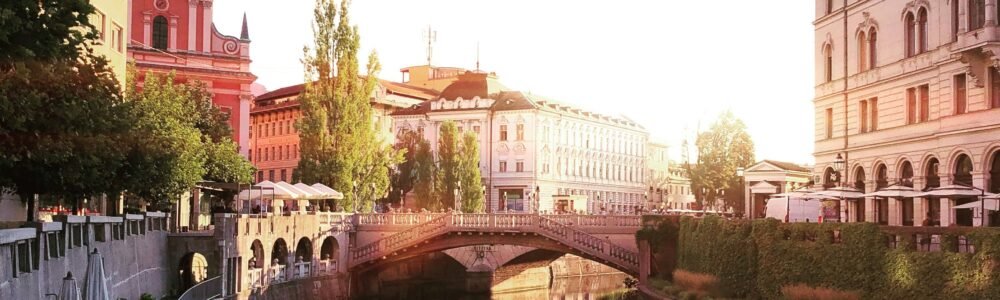
Ljubljana, the capital of Slovenia, lies roughly halfway between Venice and Zagreb. Its compact historic center sits along the Ljubljanica River and works well for a short walking break before the final segment of the journey toward Croatia.
These stops are optional and usually brief, but they divide the drive into comfortable sections.
Private transfers are commonly chosen by families, small groups, and travelers carrying multiple suitcases. Because the entire journey happens in one vehicle, luggage remains with you from departure to arrival.
Vehicles are typically air conditioned and equipped with Wi-Fi. Prices normally range between €380 and €590 per vehicle depending on group size and vehicle type.
You by the wheel
Driving from Venice to Zagreb follows a clear highway corridor across Italy and Slovenia before entering Croatia. The trip begins by leaving Venice via the mainland highway network toward Trieste. This section of the route passes through the Veneto region and usually maintains steady traffic flow. After approaching the northeastern edge of Italy, the road continues toward Slovenia. The route then crosses the Slovenian motorway system toward Ljubljana before continuing southeast toward the Croatian border.
Driving time generally ranges between four and five hours depending on traffic and rest stops. Fuel costs for the full distance typically fall between €50 and €80 depending on vehicle efficiency and current fuel prices. Italy uses motorway tolls rather than vignettes. The toll for the Italian section of this route usually ranges between €15 and €25 depending on the entry and exit points used. Slovenia requires a motorway vignette for highway travel. Weekly passes normally cost around €16.
Croatian highways use toll systems similar to Italy. The final section approaching Zagreb usually adds around €5 to €10 depending on the exact route. Parking in Zagreb is generally manageable compared with many historic European capitals. Several parking garages and public zones exist close to the central districts. Driving works particularly well for travelers planning to continue exploring Croatia afterward.
Train travel
Train travel between Venice and Zagreb is possible but usually involves at least one transfer. Most routes begin at Venezia Mestre or Venezia Santa Lucia station and then travel east toward Trieste before continuing into Slovenia. From there the rail corridor eventually connects toward Zagreb. Total travel time normally ranges between seven and nine hours depending on the connection schedule.
Ticket prices usually range between €40 and €85 per person depending on train type and how early the ticket is purchased. The train journey crosses several landscapes. Northern Italy begins with flat agricultural plains, followed by the limestone terrain of the Karst region. Western Slovenia then introduces forested hills before the final stretch toward the Croatian interior.
Transfers between trains may require moving between platforms or waiting for the next departure. Travelers carrying minimal luggage usually manage this easily, while those with several bags may find the process slower. Despite the transfers, train travel remains a comfortable option for travelers who prefer rail journeys across Europe.
Travelling by bus
Long-distance buses also connect Venice and Zagreb. Bus routes typically depart from Venice Mestre or nearby transport terminals before traveling across Slovenia toward Croatia. Travel time usually ranges between six and eight hours depending on the number of stops and traffic conditions. Ticket prices commonly fall between €30 and €65 depending on the operator and booking time.
Modern intercity buses generally offer air-conditioned seating, Wi-Fi access, and onboard restrooms. The main difference compared with driving is the longer duration caused by scheduled stops along the route. For travelers focused on lower travel costs, buses remain a practical option even though the overall journey takes longer.
Flights
Flight between Venice and Zagreb is not common option. Although both cities have airports, the distance between them is relatively short. Airport procedures such as check-in, security screening, boarding, and transfers to city centers often add several hours to the journey. Even if a direct flight is available, the total travel time from city center to city center usually becomes longer than traveling by road. Because of this, flights are generally not considered the most efficient option for this route.
What suites you more
A private transfer provides the quickest door-to-door connection.
Traveling by car gives you the freedom to choose your departure time and include stops along the way.
Train journeys are comfortable, but usually involve at least one change.
Buses are typically more budget-friendly, though the overall travel time is longer.
Flying – not an option
Underline, a direct road transfer remains the most practical choice.
Arrival in Zagreb
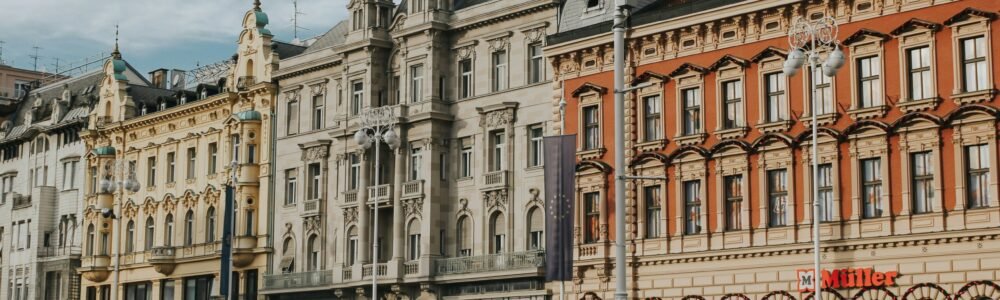
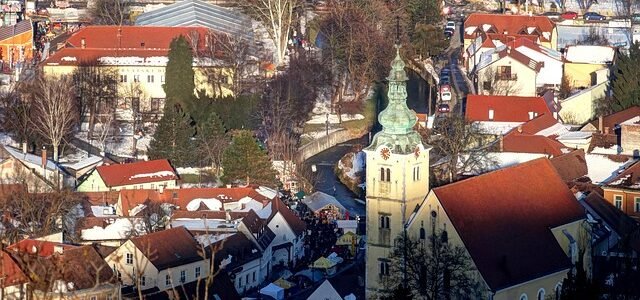
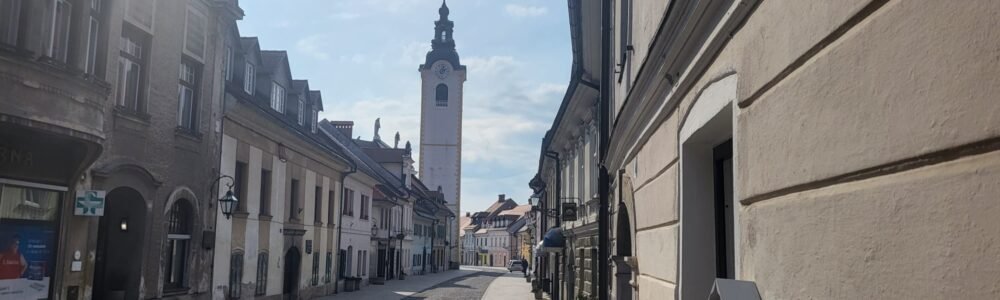
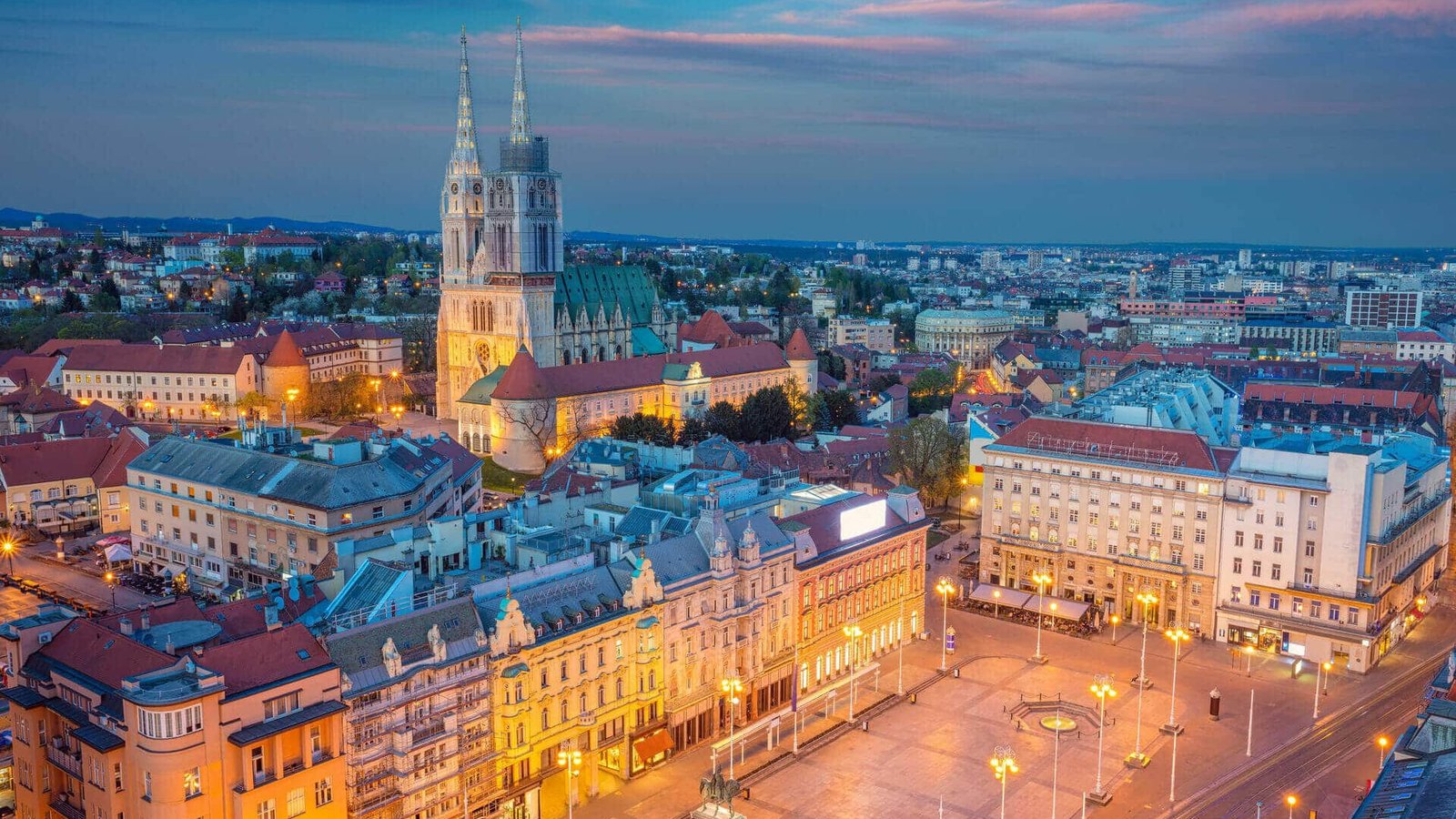
Zagreb sits in northern Croatia along the Sava River and functions as the political and cultural center of the country. The city combines Austro-Hungarian architecture with modern districts and lively pedestrian streets. Many visitors begin exploring in the Upper Town and Lower Town areas, which contain historic squares, museums, and cafés.
Ban Jelačić Square acts as the central meeting point of the city and connects several major streets. From there it is easy to walk toward the cathedral, local markets, and the historic hillside district of Gradec. Compared with many European capitals, Zagreb often feels relaxed and easy to navigate. Much of the central area is accessible on foot, and public trams connect the main districts. The city’s layout makes it easy for visitors to explore without complicated planning.
Recommended length of stay
Two nights in Zagreb are usually enough to see the main areas, walk through the city center, and visit a few museums or historical landmarks. With three nights, you can take things at a more relaxed pace and consider short trips to nearby spots, including the hills just north of the city or smaller towns in the surrounding area.
Zagreb is also often used as a starting point for journeys toward the Croatian coast or national parks, making it a convenient first or last stop in a broader itinerary. Thanks to its location at a key transport junction, the city naturally fits into longer travel plans across Croatia and Central Europe.
Final thoughts on this route
The journey from Venice to Zagreb links the Adriatic coast with Croatia’s capital via a well-connected and frequently used route. The distance is easily covered within a day, with multiple transport options available year-round. Traveling by road in one continuous trip is usually the most straightforward choice, while trains and buses offer dependable alternatives for those who prefer public transport.
Leaving Venice earlier in the day typically means reaching Zagreb by mid to late afternoon, giving you enough time to settle in or take a short walk through the city. For up-to-date tips, maps, and visitor details, check the official Zagreb tourism page